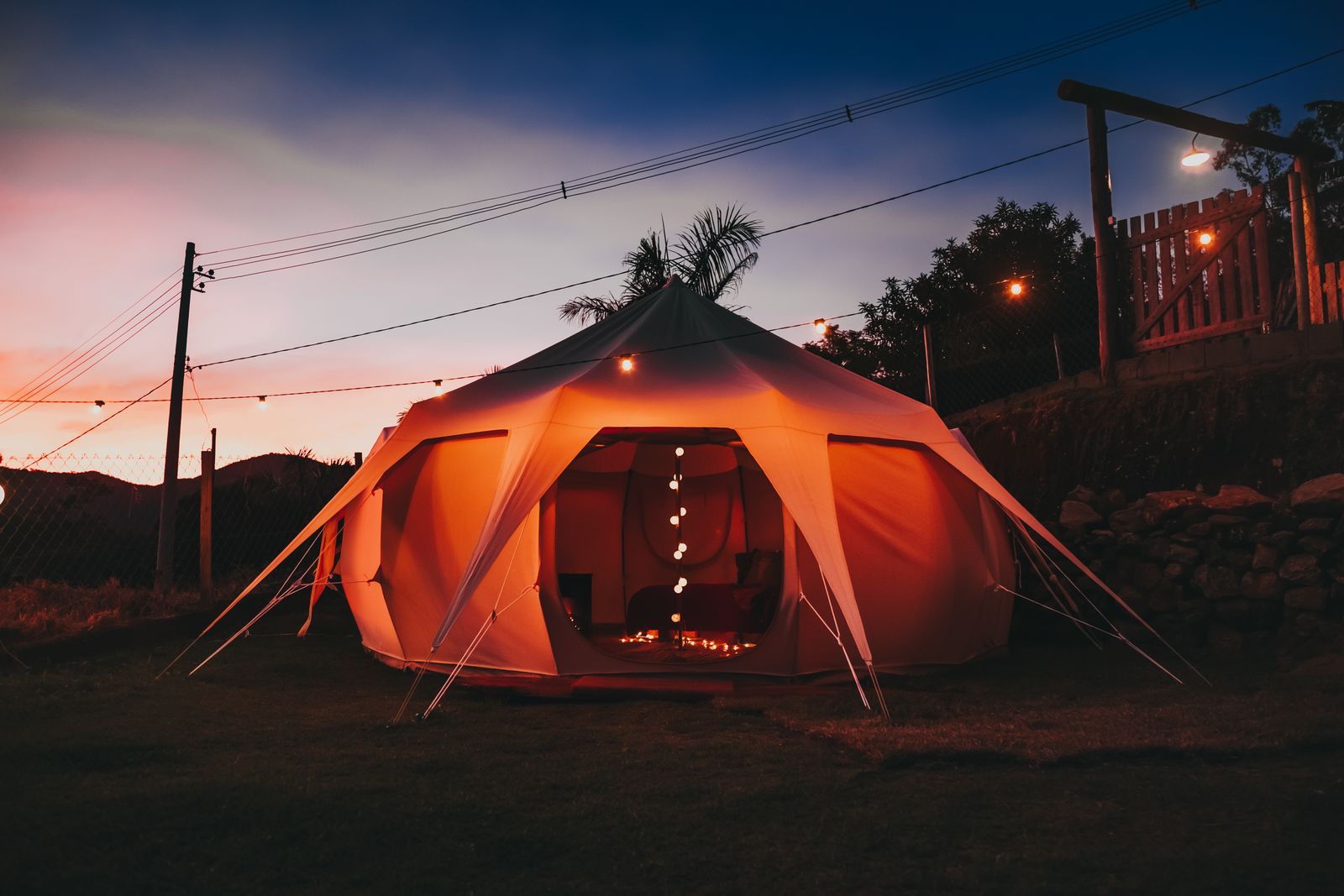
How to Charge Your Phone with an LED Camping Lantern (1600mAh Guide)
A 1600mAh LED camping lantern delivers approximately 1,040mAh of usable energy at 65% net circuit conversion efficiency. This provides a 20% to 35% emergency battery boost to standard modern smartphones (3,000mAh to 5,000mAh), yielding roughly 2 to 4 hours of critical talk time. Connect your phone via the 5V/1A USB-A output port while keeping lantern LEDs off or collapsed.
Key Takeaways: Energy Conversion & Safety at a Glance
- 65% Net Conversion Yield: Internal 3.7V to 5V USB step-up conversion reduces theoretical 1600mAh down to ~1,040mAh usable transfer power due to thermal and circuit resistance.
- 20% to 35% Smartphone Boost: Delivers essential power reserve for emergency calls, weather alerts, and GPS coordinates during blackout emergencies.
- Sequential Charging Protocol: Charge the internal lantern battery completely via sunlight or USB input prior to connecting external smartphones.
- Zero Light Transfer Mode: Collapse the 6+1 LED housing to minimum brightness during power transfer to avoid splitting battery discharge between lighting and charging.
- Automatic Power Protection: Built-in 1600mAh Li-ion power management prevents over-discharge by automatically shutting off USB power when internal voltage drops below 3.0V.
Power Bank & Battery Specifications Matrix
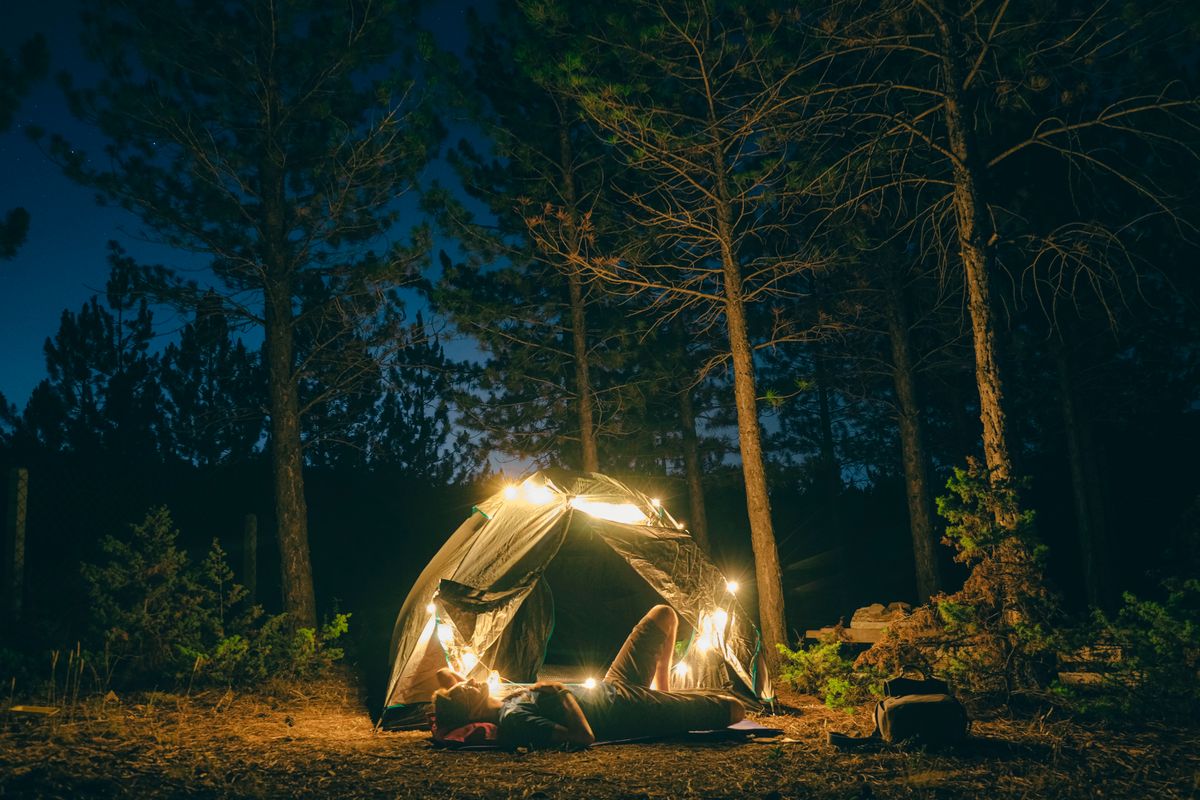
Photo by Necati Ömer Karpuzoğlu on Pexels
| Operational Scenario | Technical Parameter | Specification Value | Practical Impact |
| --- | --- | --- | --- |
| Internal Energy Reserve | Battery Capacity & Chemistry | 1600mAh Li-ion (3.7V nominal) | Stores 5.92 Watt-hours total nominal energy |
| Step-Up Circuit Conversion | USB Output Voltage & Current | 5V / 1A (5W Output) | Delivers ~1,040mAh usable energy at 65% efficiency |
| Dual Recharging Input | Charging Modes | Solar Panel Top + USB DC Input | Solar trickle recharges over 12-16 hrs; USB takes 2-3 hrs |
| Illumination Output | Light Source Configuration | 6+1 High-Intensity LED Chips | 360° lantern coverage when expanded; directional flashlight when collapsed |
| Physical Dimensions | Expanded vs Collapsed Size | 3.62" x 3.62" x 7.48" / 3.07" x 3.07" x 5.12" | Collapses to phone size for compact emergency pack storage |
Review the core electrical and physical parameters governing the dual-function camping lantern and USB emergency power bank.
Anatomy of Dual-Function Lantern USB Charging Ports
Refer to this schematic layout to identify the dedicated power bank output port versus the secondary recharging input ports.
Lantern Emergency Power Charge Calculator
Estimate your specific smartphone battery boost based on lantern charge percentage and phone capacity.
Troubleshooting Lantern USB Output & Slow Charging
| Observed Failure Scenario | Root Cause Analysis | Corrective Action |
| --- | --- | --- |
| Phone charges for 2-5 minutes, then power stops abruptly. | Lantern internal voltage dropped below 3.0V cut-off limit, triggering auto power-off protection. | Disconnect phone immediately. Recharge lantern via AC USB wall outlet for 2.5 hours or place solar panel in direct sunlight. |
| Phone displays 'Slow Charging' or 'Check Connection' notification. | USB cable impedance is too high or phone is drawing more power than the 5V/1A port provides. | Use a short 18-gauge fast-charging cable (<1 meter). Turn on phone Airplane Mode to reduce active power draw. |
| Lantern body feels warm while charging phone during full illumination. | Dual thermal load from 6+1 LED driver circuits and 5V step-up boost converter active simultaneously. | Collapse the lantern housing completely to turn off the 360° LEDs while active power transfer is occurring. |
| Solar top panel indicator lights up, but phone does not show charging icon. | Solar trickle output (~50-100mA) is insufficient for direct real-time phone pass-through power. | Allow top solar panel to charge internal 1600mAh battery first over 12+ daylight hours before plugging in phone. |
Diagnose common power delivery issues when connecting modern smartphones to small-capacity lantern power banks.
Pre-Storm & Emergency Trail Power Allocation Checklist
- Fully charge lantern internal 1600mAh battery via USB wall plug until indicator turns solid.
- Inspect USB output port for dust or moisture before inserting smartphone charging cable.
- Enable 'Extreme Battery Saver' mode on your smartphone prior to plugging into the lantern.
- Collapse lantern or lower brightness to minimum necessary level while power transfer is active.
- Disconnect smartphone immediately once battery reaches 25-30% to conserve remaining light reserves.
- Place lantern in direct sunlight during daylight hours to activate top solar trickle charging.
Expert Power Management Tip: The 3.7V to 5V Boost Converter Factor
Always calculate emergency power expectations using Watt-hours (Wh) rather than raw milliamp-hours (mAh). The internal lithium-ion battery operates at a nominal 3.7 Volts (1.6Ah × 3.7V = 5.92Wh). However, standard USB charging protocols require a constant 5.0 Volts. The internal boost converter steps up voltage from 3.7V to 5.0V, incurring an inherent thermal conversion loss of 15% to 20%. When combined with cable resistance and phone charge circuit efficiency, net usable energy output is approximately 65% of rated capacity (~1,040mAh or 3.85Wh). Account for this power math when planning off-grid communication reserves.
Immediate Next Steps for Storm Prep & Off-Grid Trips
Your decision: Decide whether your immediate priority is maintaining room/trail lighting or topping off a smartphone for emergency SOS communication.
Do this next: Fully charge your 1600mAh LED camping lantern via AC/USB power before heading out or prior to severe weather landfall, and keep a dedicated USB charging cable packed inside the lantern handle.
- Read next: Campsite & Trail Illumination Tactics for Outdoor Adventurers
LED Camping Lantern (Pack) - 360° Illumination with Built-In 1600mAh USB Emergency Power Bank
Take these actions to optimize your emergency lighting and back-up communication setup.
1600mAh Li-Ion Battery Care & Storage Maintenance Schedule
- Every 3 Months (Quarterly) — Perform a full discharge/recharge cycle via USB input. Store lantern at 50% to 80% charge level in a cool, dry place (60°F to 70°F).
- 30 Days Before Camping Season — Inspect USB output port contacts for corrosion or lint. Test phone power delivery with your primary trail charging cable.
- 48 Hours Prior to Storm Landfall — Connect lantern to AC USB wall charger for 3 hours until internal Li-ion battery reaches 100% capacity.
- Post-Trip / Post-Blackout Clean Up — Wipe top solar panel with a damp microfiber cloth to remove dust buildup that inhibits solar trickle charging efficiency.
Understanding Dual-Function Camping Lantern Power Reserves
When grid electricity fails during hurricanes, blizzards, or off-grid trail excursions, a reliable illumination source that doubles as an emergency power bank is essential. The collapsible LED camping lantern utilizes an integrated 1,600mAh lithium-ion battery. This power source is specifically calibrated to drive a high-efficiency 6+1 LED chip array while maintaining a reserve power circuit dedicated to 5V/1A USB power output.To manage expectations during a severe power failure, users must understand the distinction between total internal cell capacity and transferred usable energy. A 1,600mAh battery rated at 3.7 Volts holds 5.92 Watt-hours (Wh) of nominal chemical energy. When you plug a smartphone charging cable into the lantern's USB-A port, an internal boost circuit raises the voltage to 5.0 Volts to match standard USB specifications.
``` [1600mAh / 3.7V Battery] --> [5V Boost Converter] --> [USB Cable Loss] --> [Phone Battery (+20-35%)] (5.92 Wh Nominal) (~85% Circuit Efficiency) (~80% Inflow Yield) (~1040mAh Net Transfer) ```
Because voltage boost conversion and mobile device battery management circuits generate small amounts of heat, standard transfer efficiency averages 65%. Consequently, a fully charged 1,600mAh lantern transfers approximately 1,040mAh of direct energy into your phone's battery.
Step-by-Step Instructions: Connecting Your Phone to the Lantern
Balancing 360° Illumination vs. Emergency Communication
In survival and prolonged grid-down scenarios, energy management is a zero-sum calculation. The lantern's 6+1 high-intensity LED chips consume power efficiently, allowing full room illumination for hours. However, running the LEDs at maximum height expansion while simultaneously charging a phone accelerates internal voltage drop.If ambient lighting is required while charging your phone, expand the lantern housing only partially (1 to 2 inches). The unique pull-up brightness mechanism allows you to throttle lumen output precisely to what is needed, minimizing battery drain while maintaining essential power delivery to your phone.
1600mAh Lantern Phone Charge Expectation Reference Table
| Device Category Scenario | Typical Phone Battery Size | Net Usable Power Transfer | Expected Phone Charge Gain (%) | Approx. Emergency Talk Time Added |
| --- | --- | --- | --- | --- |
| Basic / Burner Flip Phone | 1,200 mAh – 1,800 mAh | ~1,040 mAh | 60% to 85% Charge Boost | 6 to 10 Hours |
| Standard Modern Smartphone (iPhone 13/14/15, Pixel 8) | 3,200 mAh – 3,500 mAh | ~1,040 mAh | 28% to 33% Charge Boost | 3 to 4.5 Hours |
| Large / Flagship Device (Galaxy S24 Ultra, iPhone Pro Max) | 4,500 mAh – 5,000 mAh | ~1,040 mAh | 20% to 24% Charge Boost | 2 to 3 Hours |
| Compact Tablet / E-Reader (iPad mini, Kindle Paperwhite) | 5,100 mAh – 6,000 mAh | ~1,040 mAh | 16% to 20% Charge Boost | 1.5 to 2.5 Hours |
Compare expected emergency percentage gains across modern smartphone battery sizes when powered by a 1600mAh lantern.
4 Critical Mistakes That Drain Emergency Power Faster
Avoid these common tactical errors to ensure your emergency light source remains operational when you need it most.
Frequently Asked Questions About Lantern Phone Charging
Get technical answers to common questions regarding dual solar/USB charging, transfer times, and battery longevity.
Recommended Emergency Gear
Equip your home storm kit and camping pack with a reliable emergency light and power source. Order the LED Camping Lantern Pack today for 360° lighting and dependable emergency USB charging.
Immediate Next Steps for Storm Prep & Off-Grid Trips
Your decision: Decide whether your immediate priority is maintaining room/trail lighting or topping off a smartphone for emergency SOS communication.
Do this next: Fully charge your 1600mAh LED camping lantern via AC/USB power before heading out or prior to severe weather landfall, and keep a dedicated USB charging cable packed inside the lantern handle.
- Read next: Campsite & Trail Illumination Tactics for Outdoor Adventurers
LED Camping Lantern (Pack) - 360° Illumination with Built-In 1600mAh USB Emergency Power Bank
Follow these steps to finalize your home power failure setup or outdoor trail gear pack.
Related Guides on Off-Grid Power & Emergency Preparedness
Provide curated internal links to relevant cluster and pillar resources.
Cover photo by Matheus Bertelli on Pexels.