Complete Camping Emergency Kit Checklist: Essential Gear for Outdoor Safety
Venturing into the backcountry offers unmatched peace of mind, but nature remains unpredictable. Whether you face sudden severe storms, unexpected delays on the trail, or equipment failures, having a comprehensive camping emergency kit checklist ensures you remain safe, secure, and prepared. Building a kit requires balancing lightweight portability with dependable utility.
Why You Need a Dedicated Camping Emergency Kit
When off-grid, standard camping gear may not be sufficient if severe conditions arise. An emergency kit acts as your secondary insurance policy. It focuses on survival basics: core body temperature management, reliable communication, navigation, clean hydration, and multi-functional illumination. Preparing this gear ahead of time reduces panic and gives you immediate tools to handle unexpected disruptions.
Essential Category 1: Navigation and Communication
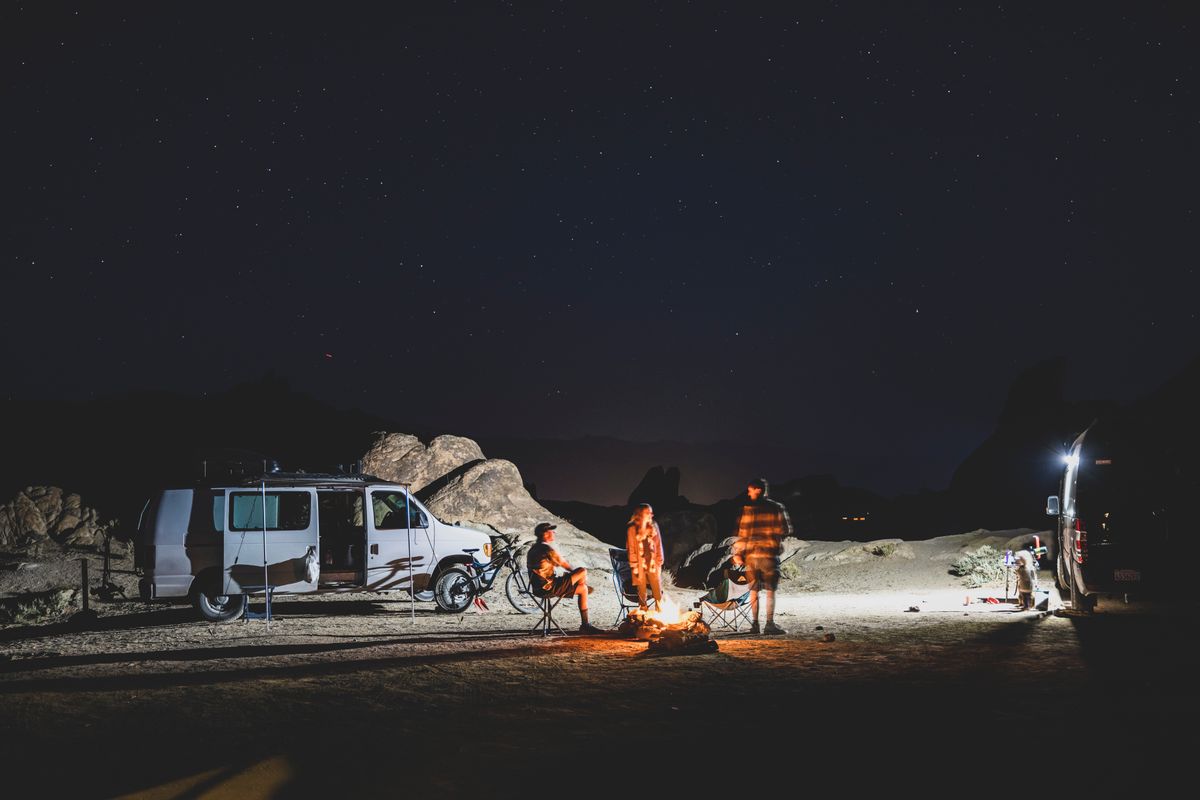
Photo by Stephen Leonardi on Pexels
Never rely purely on cellular service when heading into rural or wilderness areas. Your kit should contain:
- A waterproof physical map of the area
- A magnetic compass and knowledge of how to use it
- An emergency whistle (audible over long distances)
- A backup signaling device, such as a mirror or flare
- A compact satellite communicator or personal locator beacon if traveling far off-grid
Essential Category 2: Emergency Shelter and Warmth
Body temperature regulation is critical in extreme conditions. Even on warm summer trips, nighttime temperatures can drop rapidly during rain or unexpected stops.- An emergency space blanket or thermal bivvy bag
- Compact waterproof poncho
- Windproof and waterproof matches or a fire starter stored in a dry container
- Synthetic or wool secondary base layers
Essential Category 3: Versatile Illumination and Power Backups
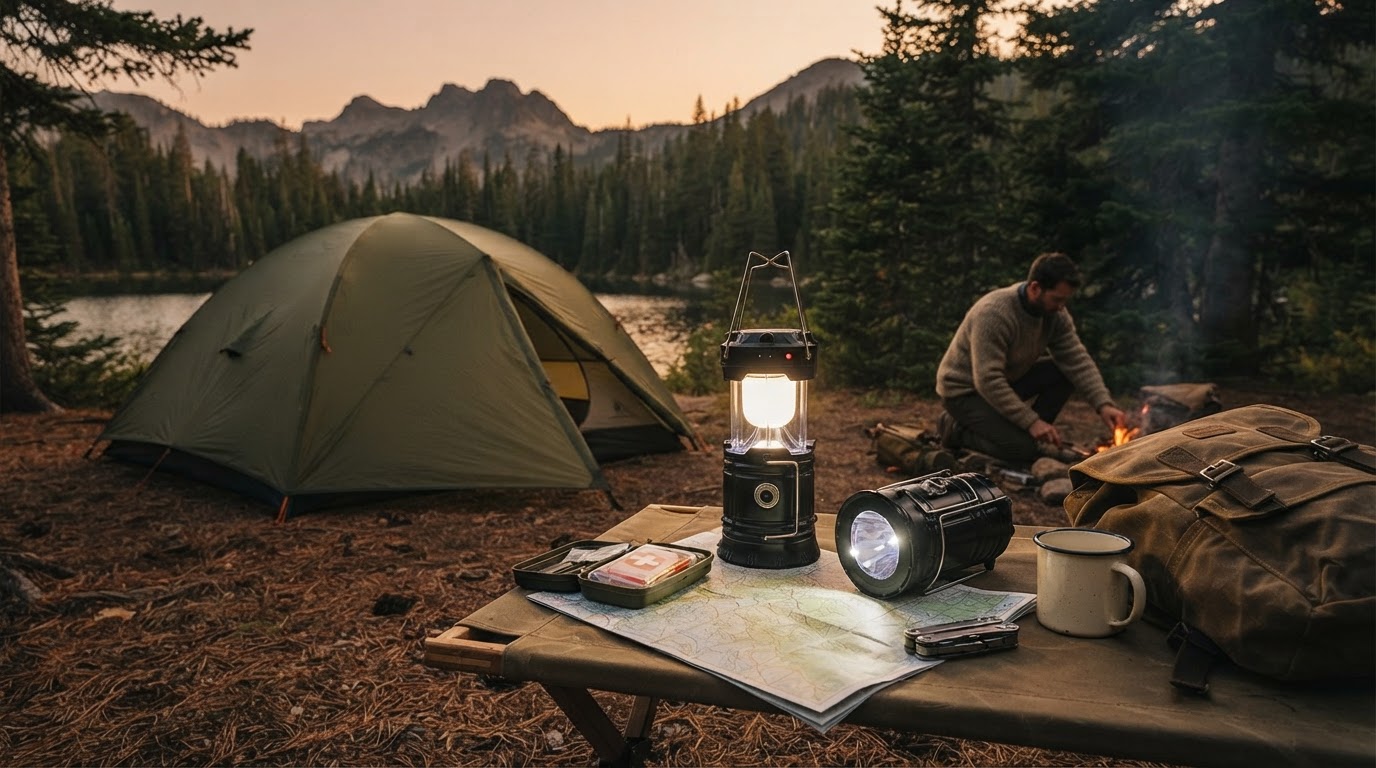
In emergency situations, visibility is directly tied to safety. Light prevents accidental injuries, aids in campsite management, and serves as a distress signal. Relying on a single battery light source is risky.Your emergency lighting strategy must feature reliable gear like the Led Camping Lantern. With 360° lighting coverage powered by 6+1 high-intensity LED chips, it operates both as a wide-area lantern and a focused flashlight. Adjusting brightness is as simple as pulling up the collapsible body. When expanded, it measures 3.62 inches long by 3.62 inches high by 7.48 inches, easily lighting an entire room or tent, while collapsing down to a compact 3.07 by 3.07 by 5.12 inches (similar to a phone profile).
Power independence is equally vital. The Led Camping Lantern includes a built-in 1600mAh Li-ion rechargeable battery that charges via USB or solar charging. It offers automatic power-off protection against overcharging and doubles as an emergency power bank for Android devices via its USB output port. Ensuring your light source weighs light (at roughly 9.6 oz) makes it suitable even for young children to handle.
Essential Category 4: First Aid and Medical Supplies
Photo by Tima Miroshnichenko on Pexels
A basic trail first-aid kit should be customized based on group size and trip duration. Core items include:
- Sterile gauze pads and adhesive bandages of various sizes
- Antiseptic wipes and antibiotic ointment
- Tweezers, shears, and medical tape
- Over-the-counter pain relievers, antihistamines, and anti-diarrheal medication
- Personal prescription medications for at least three extra days
Essential Category 5: Food, Hydration, and Tools
- Water purification tablets or a high-efficiency micro-filter
- Non-perishable, high-calorie emergency rations (energy bars, freeze-dried meals)
- Multi-tool equipped with pliers, wire cutters, and a blade
- Heavy-duty duct tape for quick gear repairs
Organizing and Maintaining Your Emergency Kit
Store emergency items in dedicated, waterproof dry bags. Inspect your supplies before every trip: verify expiration dates on food and medication, check fabric integrity, and ensure rechargeable devices are fully powered. Keeping your gear maintained ensures that when emergencies strike, your equipment performs flawlessly.
Related in this cluster
- Understanding Severe Weather Protocols on Off-Grid Camping Trips
- How to Set Up Emergency Lighting for Camp Night Safety
- Solar Lanterns vs. Battery Flashlights for Off-Grid Preparedness
- 5 Reasons the Led Camping Lantern Belongs in Your Survival Kit
- Frequently Asked Questions About Camping Power and Emergency Lights
- Overcoming Sudden Off-Grid Power Outages and Storm Blackouts