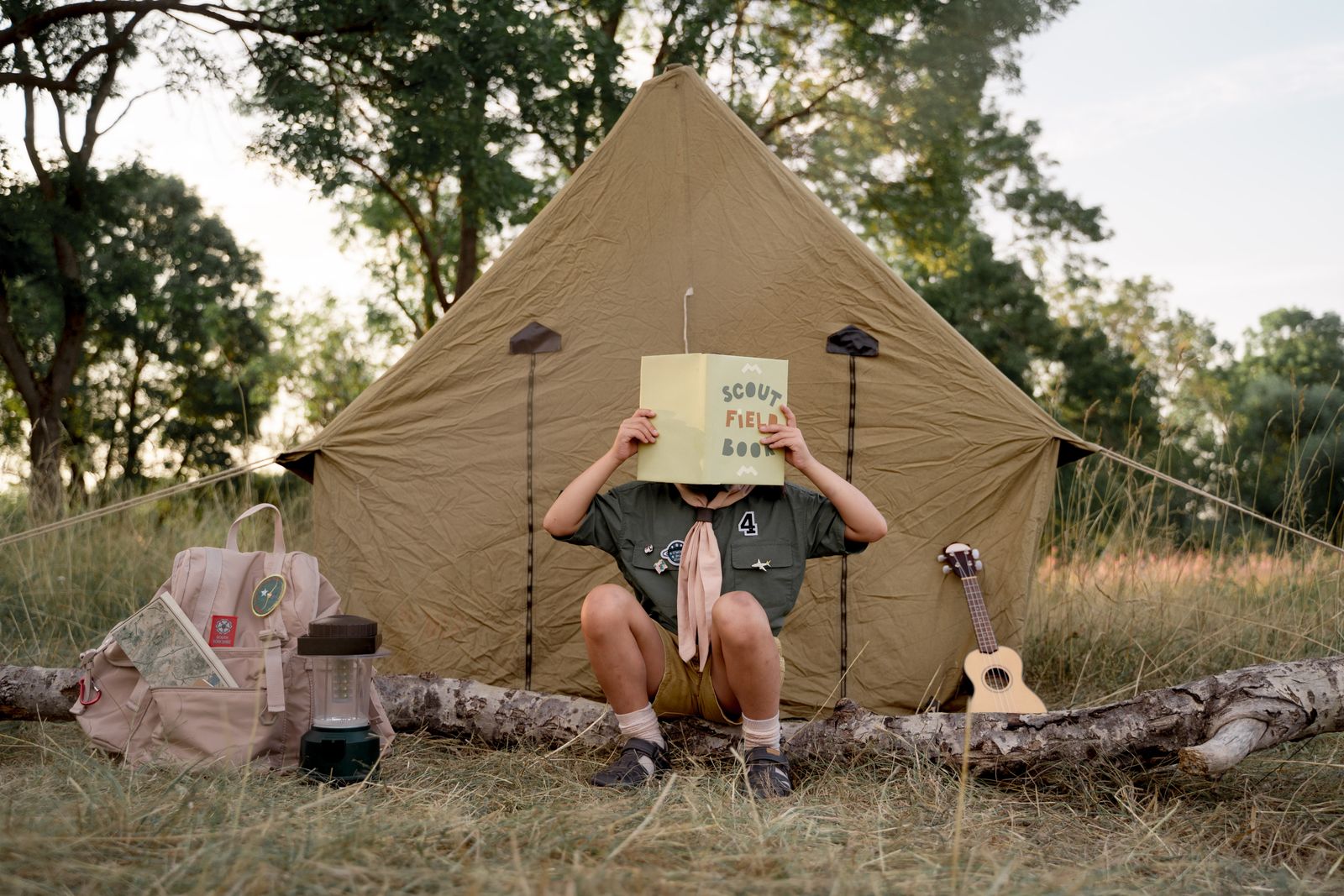
How Many Lumens for Camping Lantern? Area & Coverage Calculator
Are you risking campsite blinding or running out of battery in two hours by buying an un-diffused 1,000-lumen spotlight? For inside a tent, 50 to 100 lumens provides comfortable ambient reading light. A standard picnic table cooking zone requires 200 to 300 lumens, while illuminating an entire multi-tent campsite effectively demands 400 to 600 total lumens distributed across multiple 360-degree lanterns.
Interactive Campsite Lumen & Area Coverage Calculator
Use this dynamic calculation framework to establish your baseline lighting requirements before packing gear or purchasing equipment. Over-lighting a campsite wastes battery reserves and destroys night vision, while under-lighting creates hazards around fire pits and tent stakes.
Camping Activity vs. Lumen Requirement Matrix
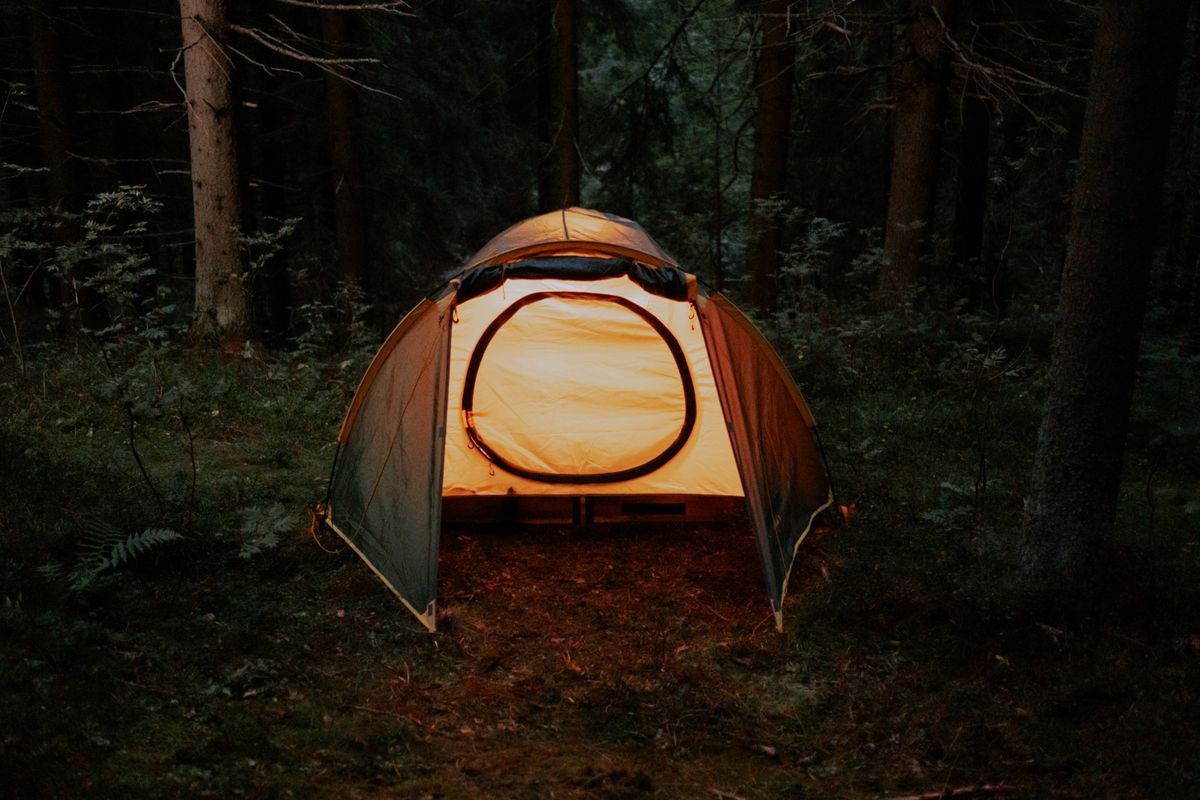
Photo by cottonbro studio on Pexels
| Scenario / Activity | Target Area (sq ft) | Recommended Lumens | Ideal Elevation | Battery Impact & Failure Mode |
| --- | --- | --- | --- | --- |
| In-Tent Night Reading (2 to 4-Person) | 30 - 64 sq ft | 50 - 100 lumens | 6 ft (Tent ceiling peak) | Minimal battery drain. Excess lumens here cause severe wall reflection, night-vision loss, and insect attraction. |
| Camp Cooking & Food Prep | 36 - 50 sq ft | 200 - 300 lumens | 6.5 - 7 ft (Overhead tree limb) | Moderate burn rate. Using direct horizontal lighting here creates deep shadows on cutting surfaces and blinds campmates. |
| Group Perimeter & Table Games | 100 - 225 sq ft | 300 - 500 lumens | 5 - 7 ft (Multi-point lanterns) | Higher power draw. Placing a single bright bulb at table level causes harsh eye glare; split into two distributed lanterns instead. |
| Emergency Home Power Outage | 150 - 200 sq ft (Living Room) | 200 - 400 lumens | 6.5 ft (Elevated central hook) | Controlled power draw. Bouncing 360-degree diffused light off light-colored ceilings replaces standard room fixtures efficiently. |
Matching your activity scenario to exact square-footage illumination levels prevents battery burnout and visual glare. Below is a breakdown of target lumen ranges based on real-world campsite scenarios.
Pro-Tip: Managing Beam Diffusion vs. Raw Lumen Output
A raw 600-lumen un-diffused LED chip is far less useful—and significantly more painful to look at—than a 300-lumen light housed inside a frosted 360-degree diffuser. Raw directional light produces harsh glare and pitch-black drop-off shadows just inches outside the beam cone.
To maximize runtime on your built-in 1600mAh Li-ion battery, leverage lanterns featuring a pull-to-adjust collapsible body. Exposing only half of the 6+1 LED chips cuts power consumption dramatically while delivering plenty of ambient light for conversation. Reserve full-open extension for task-heavy camp setup or cooking prep.
Selecting the Right Lumen Profile for Your Campsite Setup
To avoid harsh eye blinding and severe battery drain, select lantern lumen outputs based on specific zone sizes: 100 lumens for tent interiors, 200–300 lumens for cooking or table games, and 500+ lumens for full-campsite perimeter visibility.
Best choice for
- Multi-Pack Collapsible 360° LED Lanterns — Allows distributing 200-300 lumens across tent, cooking, and walkway zones without creating single-point blinding glare.
- Dual Solar & USB Rechargeable Lanterns — Top off power reserves via solar during daytime hours while relying on USB fast-charging before departure.
- Collapsible Lanterns with USB Output Power Bank — Provides room-filling ambient emergency light while supplying emergency power to Android and mobile devices.
- Relying on a single 1000-lumen un-diffused lantern placed directly at eye level on a picnic table.
- Using high-lumen spotlights for ambient tent reading where 50 lumens is far more comfortable.
- Headlamps for Directional Tasks — Use headlamps for focused trail walking, pairing them with 360-degree lanterns for ambient group area illumination.
Recommended Solution: Multi-Chip LED Solar & USB Lantern Pack
For balanced multi-zone campsite illumination and complete power independence, multi-pack collapsible LED lanterns deliver versatile coverage across all operational scenarios.
360° Collapsible LED Solar & USB Camping Lantern Pack
- 360° Lighting Coverage: Powered by 6+1 high-intensity LED chips for wide-range visibility without harsh glare.
- 2-in-1 Dual Functionality: Functions as an ambient 360-degree lantern when extended and a focused flashlight when collapsed.
- Pull-to-Adjust Dimming: Adjust brightness seamlessly by raising or lowering the collapsible body. Open fully for complete room coverage or collapse partially to save battery.
- Dual Charging Methods: Built-in 1600mAh Li-ion rechargeable battery charges via USB or top-mounted solar panel, complete with automatic overcharge protection.
- Emergency Power Bank: Includes a USB output port to charge Android phones and gear during unexpected power outages or trail emergencies.
- Ultra-Portable Dimensions: Collapses down to 3.07" x 3.07" x 5.12" (phone-sized footprint) and expands to 3.62" x 3.62" x 7.48" for lightweight packing.
Key Takeaways: Lumen Rules of Thumb for Campers
- Tent Lighting: 50 to 100 lumens suspended at tent ceiling height provides full, shadow-free reading light without destroying night vision.
- Cooking & Prep: 200 to 300 lumens elevated at 6.5 to 7 feet illuminates cutting boards and stove burners cleanly.
- Distributed vs. Single Light: Two 250-lumen lanterns positioned at opposite ends of a campsite provide vastly superior visibility compared to a single 500-lumen bulb.
- Height Controls Coverage: Raising a lantern from table height (3 ft) to overhead branch height (7 ft) expands illuminated square footage by over 300%.
- Battery Preservation: Utilizing variable pull-to-adjust height controls reduces lumen output to match ambient needs, extending runtime on a 1600mAh battery beyond 12 hours.
Campsite Lumen Coverage & Distance Diagram
The diagram below illustrates how elevation height and 360-degree diffusion angle affect ground footprint and light drop-off across standard lumen thresholds.
Real-World Campsite Lighting Failure Modes & Solutions
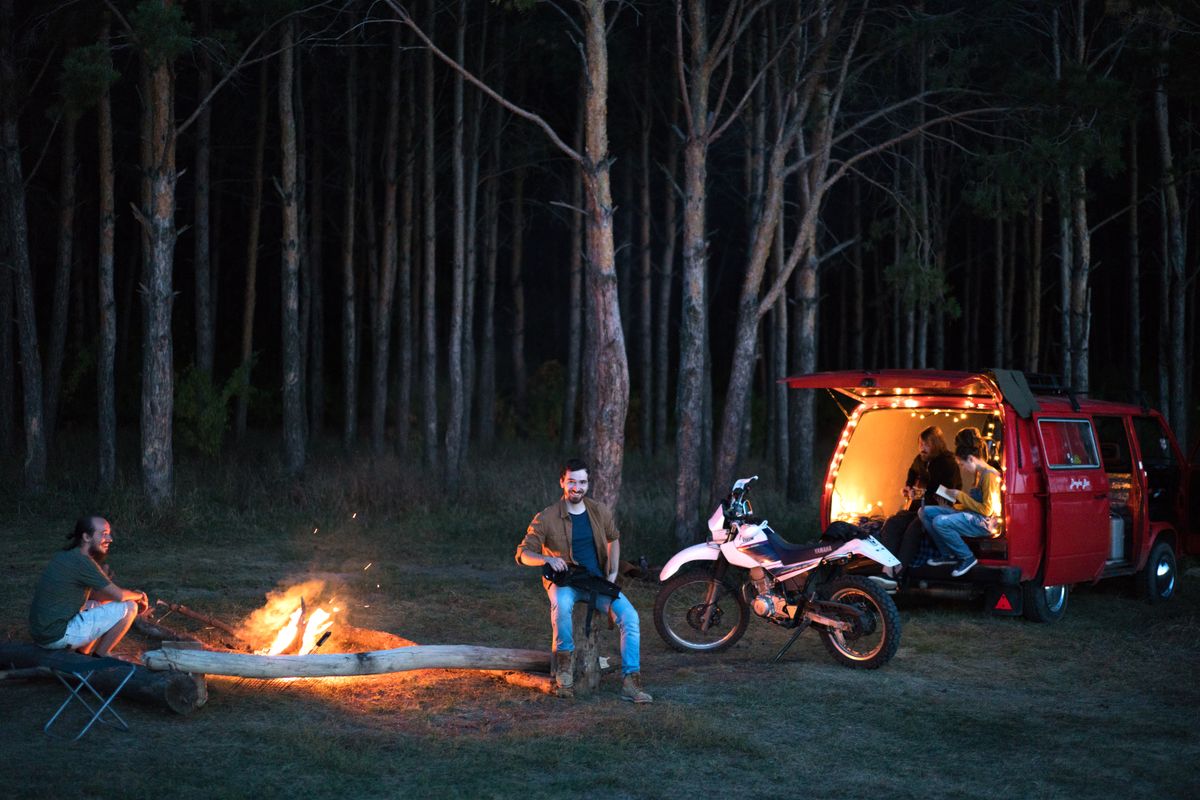
Photo by ArtHouse Studio on Pexels
Failure Mode 1: The Blinding Picnic Table Glare — Placing an ultra-bright 600-lumen un-diffused lantern directly in the center of a picnic table causes pupil constriction, making everything outside the table look pitch black. Solution: Hang a 360-degree diffuse lantern 7 feet overhead on a tree limb or shepherd's hook.
Failure Mode 2: Off-Grid Battery Death at Midnight — Running a high-lumen lantern on max brightness continuously drains internal batteries in under 3 hours. Solution: Pull up the lantern only halfway to expose 3 LED chips for ambient lighting, reserves maximum pull-height for active tasks, and utilize solar trickle charging during the day.
Failure Mode 3: Tent Wall Shadowing & Insect Swarms — Placing a high-lumen cool-white light inside a tent turns the tent into a giant glowing beacon that attracts night insects. Solution: Dim the light to 50–80 lumens using pull-height adjustment and suspend it near the ceiling peak.
Avoiding critical lighting failures requires understanding how raw power interacts with beam angle and positioning.
Pre-Trip Campsite Lighting & Lumen Planning Checklist
- Measure tent footprint and calculate required tent lumens (approx. 2-3 lm/sq ft).
- Identify task zones (cooking/prep) and assign a dedicated 200-300 lumen elevated light source.
- Fully top-off internal 1600mAh Li-ion batteries via USB prior to departure.
- Verify solar panel glass is clean for optimal off-grid trickle charging.
- Test pull-to-adjust collapsible mechanisms to ensure smooth dimming control.
- Pack overhead hanging carabiners/S-hooks for elevated tree or canopy mounting.
Printable Field Guide: Campsite Lumen Quick Reference Sheet
- Tent Interior (30–60 sq ft): 50–100 Lumens | Hanging Height: 6 ft | Target: 2–3 lm/sq ft
- Cooking Station (36–50 sq ft): 200–300 Lumens | Hanging Height: 7 ft | Target: 5–7 lm/sq ft
- Group Area (100–200 sq ft): 300–500 Lumens (split across 2 lanterns) | Height: 6.5 ft | Target: 2.5–3 lm/sq ft
- Home Emergency Room (150–200 sq ft): 200–400 Lumens | Hanging Height: Ceiling Hook | Target: 2 lm/sq ft
- Power Conservation Tip: Half-open pull height extends 1600mAh battery runtime by up to 2.5x.
Related Resources & Deep Dives
Expand your knowledge on camping illumination, battery preservation, and emergency preparedness with these operational guides:
- How to Choose the Most Portable Camping Lantern: Collapsible vs. Fixed Designs
- Lanterns vs. Headlamps for Campsite Setup: Which Light Source Works Best?
- Overhead Tent Lighting & Lantern Care: Setup, Hanging Techniques, and Battery Care
- Best Emergency Lights for Home Power Failures: Room-by-Room Setup Checklist
Frequently Asked Questions About Camping Lumens
Answers to common queries regarding lantern lumen requirements, dimming mechanisms, and battery performance.
Action Plan: Optimizing Your Campsite Lighting Strategy
Your decision: Determine whether you need localized ambient tent lighting (100 lumens) or multi-zone campsite coverage (400-600 total lumens).
Do this next: Equip your campsite with a 2-pack or 4-pack of collapsible 360-degree LED lanterns featuring dual solar/USB charging to distribute glare-free light across all zones.
- Read next: How to Choose the Most Portable Camping Lantern: Collapsible vs. Fixed Designs
- Read next: Lanterns vs. Headlamps for Campsite Setup: Which Light Source Works Best?
Check out the Collapsible 360° LED Solar & USB Camping Lantern Pack on ledcampinglantern.com.
Take the next step in preparing your campsite or home emergency preparedness kit with reliable, multi-zone LED lighting.
Cover photo by cottonbro studio on Pexels.