How to Prepare Your Home Lighting Strategy for Severe Storms and Hurricane Blackouts
A home lighting strategy for severe storms and hurricane blackouts is simple: fill collapsible LED lanterns on USB before landfall, hang one 360° unit in each occupied room, and keep candles and open flame out of the plan. The Led Camping Lantern runs 4-8 hours from a 1600mAh pack, charges by USB or 8-12 hours of solar, and hangs from a folding handle so hands stay free. Light the interior first, then start solar recovery when the sky is safe.
Charge before the grid fails, not after
USB charging while outlets still work is the whole first move. Solar needs 8-12 hours of useful sun, which a hurricane day rarely gives. Plug lanterns in during ordinary evenings in storm week so every 1600mAh cell starts the outage full.
Automatic power-off protection means a lantern can sit on USB without a babysitter. That protection is for filling the lantern, not for draining it into a phone overnight.
Keep one known-good cable with the kit. A worn cable wastes the last hours of grid power as heat. The guide to charging a solar camping lantern is the charge-path map; this page is the house plan that uses it.
One hanging lantern per occupied room
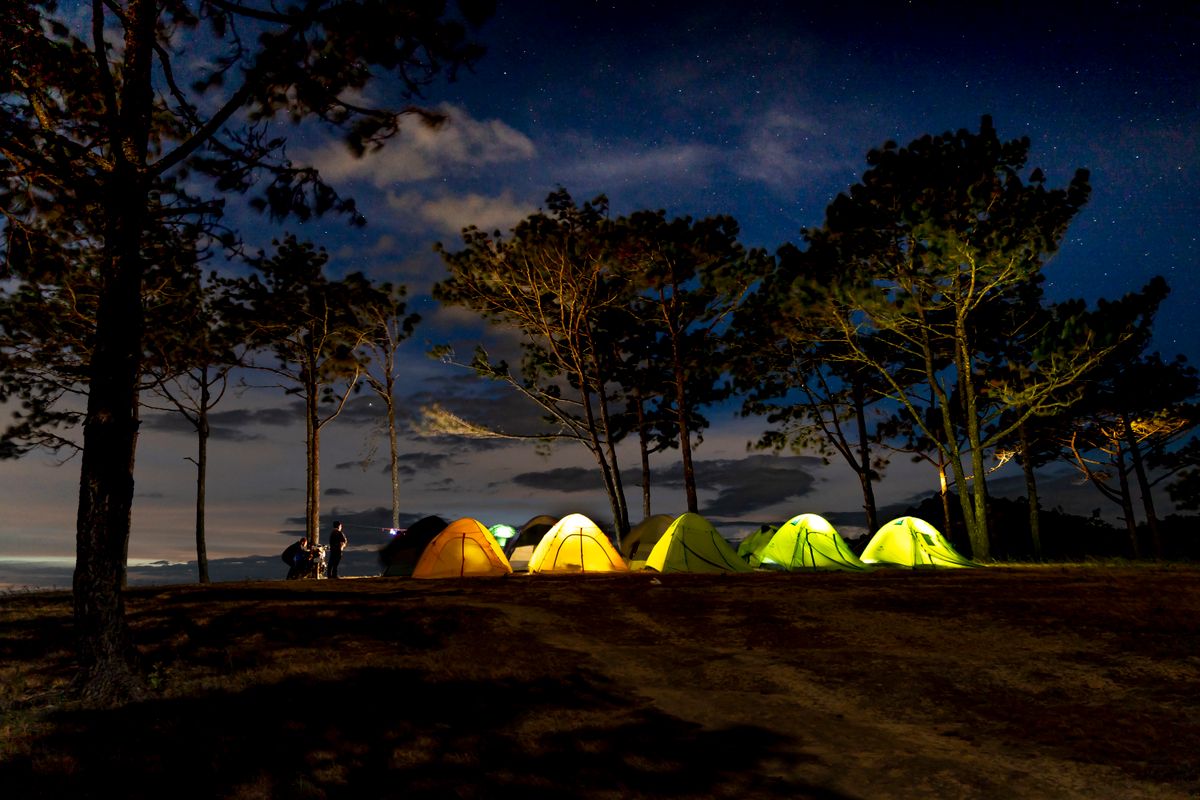
Photo by Quang Nguyen Vinh on Pexels
Count sleeping rooms and the kitchen, not square footage. A hallway that nobody occupies does not need a full-open 360° lamp. Pull the collapsible body high in the kitchen and the room where people will sit. Collapse it partway in a bedroom so the 4-8 hour runtime lasts past midnight.
Hang from a closet rod, a hook, or a door hinge using the folding handle. A lantern on a counter walks into floodwater or a child's reach. 9.6 oz is light enough to hang from modest hardware.
6+1 high-intensity LED chips light a room when the body is fully open. They are not a searchlight for a yard in a storm. Keep outdoor walks for after winds drop, with one unit in flashlight stance.
Phones, flood height, and what not to do
USB output can top up an Android phone in an emergency. Light still comes first. Drain the cell into a handset and the room goes dark at 9 p.m. Keep one lantern as light-only. If a second unit exists, that is the only one that may share charge. The emergency lantern with phone charging guide covers that split.
Stage lanterns and cables above expected flood height. A soaked USB port is a dead charge path. Do not put electronics in standing water to chase a solar window during the storm.
Skip candles, oil lamps, and generators indoors. Flame is a closed-house fire and carbon monoxide risk. A collapsible LED that folds as small as a phone belongs in a drawer until the outage, then on a hang point, not in a window during flying debris.
Blackout lighting jobs in a house
| Job | Lantern setup | Why | | --- | --- | --- | | Kitchen / sitting room | Full height, hanging 360° | Hands-free work light | | Bedroom | Partly collapsed | Dim sleep light, longer runtime | | Hall to bathroom | One flashlight-mode unit | Directed beam, not glare | | Phone top-up | Second lantern only | Protect the light-only cell | | Day two recovery | Solar face in a south window | 8-12 hour charge once sky opens |
After the wind: solar recovery without a second outage
When it is safe to open a window or step outside, park solar faces in the best available sun. Wipe salt spray and debris off the panel so the 8-12 hour window is actually charge, not haze. Do not leave lanterns in a flooded yard.
Rotate units: the night-shift lantern charges by day; the day-charged lantern hangs at dusk. A single lantern that works all night and sits in a dark closet all day will be empty on night two.
A 72-hour outage is three USB-full starts if the grid never returns, or one USB start plus two solar days if the sky clears. Plan the kit for the longer case. See the hurricane solar emergency lantern buying guide for how dual-charge units fit that window.
Hurricane home lighting checklist
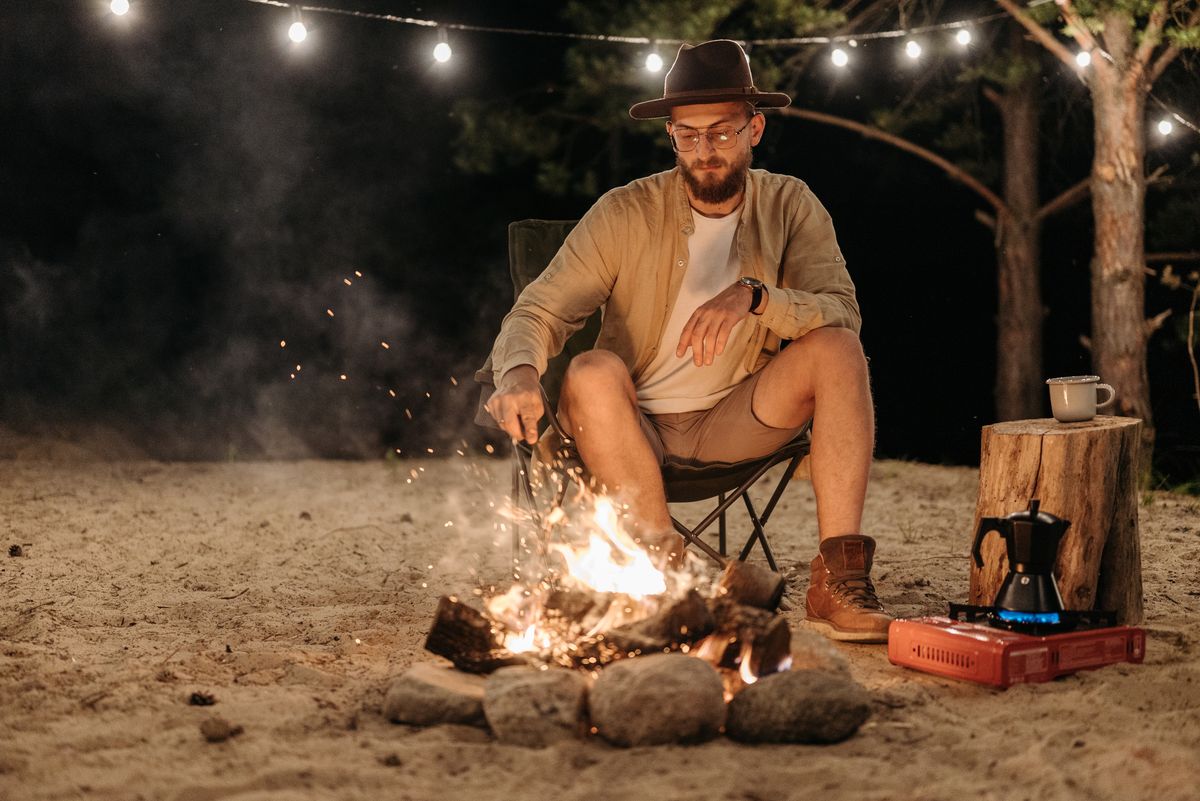
Photo by Pavel Danilyuk on Pexels
- [ ] USB-charge every lantern before landfall.
- [ ] Assign one hang point per occupied room.
- [ ] Stage units and cables above flood level.
- [ ] Keep one lantern light-only; phones second.
- [ ] Collapse to dim for sleep; pull high for work.
- [ ] Start solar recovery when the sky is usable.
Frequently asked questions
How many lanterns does a house need for a hurricane outage?
Count occupied rooms plus the kitchen. Independent hang points beat one lamp that walks from room to room.
Can solar keep up during the storm itself?
Usually not. USB-charge before landfall. Solar is the 8-12 hour recovery after the sky opens.
Is a candle backup acceptable?
No for occupied rooms. Closed-house flame is a fire risk. Use hanging LED instead.
Should the lantern charge a phone all night?
No. Protect the 4-8 hour light runtime. A short Android top-up from a second unit is the emergency case.
Where should lanterns live the rest of the year?
In a dry drawer, folded as small as a phone, with a cable. Charge them on USB the week a storm is named.
Related reading
Charge path, storm buying, and phone-output rules sit next to this house plan.
- how to charge a solar camping lantern
- solar emergency lanterns for hurricanes
- emergency lanterns that can charge a phone
What to do next
Count occupied rooms, USB-charge that many collapsible lanterns this week, and pick a hang point above flood level in each room. When the power drops, pull the body high in the kitchen, collapse it for sleep, and start solar recovery only after the sky is safe.
Cover photo by Matheus Bertelli on Pexels.