
Off-Grid Campsite Lighting FAQ: Solar Charging, Emergency Prep & Battery Maintenance
When a severe storm knocks out grid power or you are setting up camp deep in the backcountry after dusk, dual-charging collapsible LED lanterns deliver immediate, reliable 360° area light and emergency mobile device topping. A 2-to-3-hour USB charge fully restores the integrated 1600mAh lithium-ion battery before departure, while the integrated top solar panel passively maintains capacity during daylight exposure. By adjusting the lantern's pull-up sliding body, you physically engage the 6+1 high-intensity LED array to modulate lumen output and lower electrical current draw, extending battery life across multi-night outages.
Off-Grid Deployment Decision Guide
Selecting off-grid lighting depends on trip duration, solar availability, and emergency backup power requirements.
Best choice for
- Collapsible Dual-Charging LED Lantern — Combines 360° area light, directional flashlight mode, passive solar replenishment, and a compact phone-sized footprint.
- Multi-Pack LED Camping Lanterns — Provides every household member with a child-friendly, safe light source plus 5V USB output for critical mobile communications.
- You require commercial-grade searchlights exceeding 3,000 lumens that depend on heavy external 12V lead-acid battery packs.
- Headlamps with disposable AAA batteries — Ideal for hands-free night trail navigation, but inadequate for illuminating entire rooms or tent interiors.
Field Veteran Tip: Optimizing Solar Top-Offs & Battery Conservation
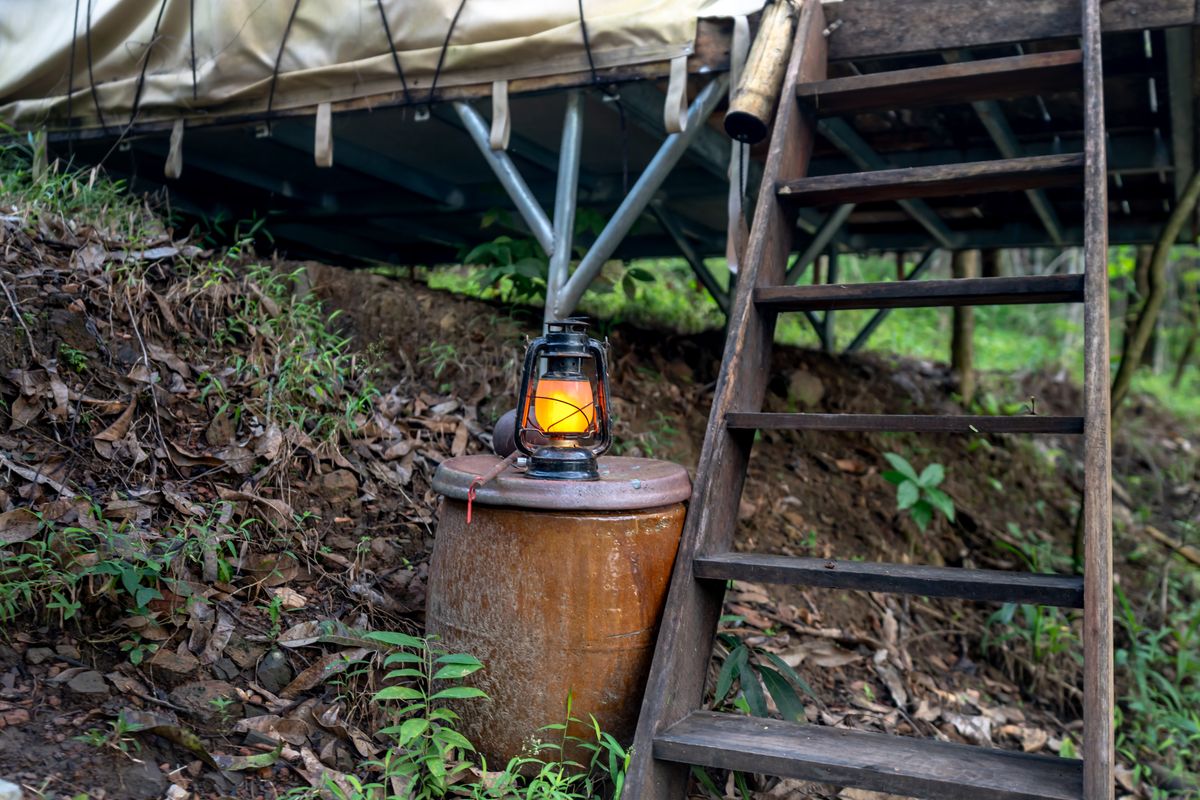
Photo by Quang Nguyen Vinh on Pexels
Never treat solar charging on portable gear as a zero-to-hundred rapid refueling tool. Integrated solar panels on collapsible lanterns are designed for passive trickle maintenance while off-grid. To maximize solar conversion efficiency, clean dust off the top panel daily using a damp microfiber cloth and angle the lantern directly toward non-shaded midday sunlight. At night, adjust the sliding body to open only halfway—this shields a portion of the 6+1 LED array, cutting battery drain significantly while preserving ambient peripheral vision.
Lantern Troubleshooting Matrix: Common Power & Output Issues
| Problem | Likely Cause | Field Fix |
| --- | --- | --- |
| Lantern fails to illuminate when pulled open | Discharged 1600mAh internal battery or slide contact misalignment | Fully collapse and re-extend housing to clear micro-switch contacts. Recharge via 5V USB for 2 hours. |
| Solar charging indicator remains unlit | Insufficient direct UV rays or dirty solar panel cover | Move lantern out of window shade or tree canopy into direct sun. Clean glass top panel with a soft microfiber cloth. |
| Emergency phone charging cuts off after a few minutes | Phone battery draw exceeds power bank output threshold | Disconnect cable, close background phone apps to reduce power demand, and reconnect to resume 30-50% emergency top-off. |
| Dim light output despite fully extended body | Depleted state of charge or internal low-voltage cutoff trigger | Plug into a active USB power source for 15 minutes to reset the circuit board, then complete a full charge cycle. |
Diagnose and resolve common illumination and charging disruptions in the field.
Emergency Outage & Campsite Power Selection Flowchart
- Are you preparing for an extended (>24hr) grid power failure or wilderness trip? → Yes: Is direct, unshaded sunlight available during daylight hours?. No: Perform a complete baseline USB charge prior to grid disconnection; rely on sliding height adjustment to conserve power.
- Is direct, unshaded sunlight available during daylight hours? → Yes: Position top solar panel outdoors or on an unshaded ledge for daily trickle replenishment; limit phone output to emergency calls.. No: Collapse body halfway to reduce 6+1 LED current draw; reserve remaining battery strictly for essential illumination.
Core Takeaways: Off-Grid Illumination Rules of Thumb
- Primary USB Recharging: Achieves 100% capacity in 2 to 3 hours with automatic overcharge protection.
- Secondary Solar Trickle: Designed to maintain battery topping during daylight hours when far from electrical outlets.
- Mechanical Dimming: Slide the body partially open to decrease lumen output and extend runtime across multi-night outages.
- Emergency Power Bank: Integrated 1600mAh battery delivers a 30% to 50% emergency boost to mobile devices for GPS or emergency calls.
- Compact Storage: Collapses from 7.48 inches down to a 5.12-inch phone-sized footprint for compact packing.
Recommended Off-Grid Gear: Dual-Charging LED Lantern Pack
For comprehensive emergency preparedness and campsite coverage, multi-pack dual-charging lanterns ensure no room or family member is left in the dark.
Technical Spec Matrix: Dimensions, Power & Illumination Modes
| Specification / Attribute | Extended Mode (Lantern) | Collapsed Mode (Flashlight / Storage) |
| --- | --- | --- |
| Physical Dimensions | 3.62" L x 3.62" W x 7.48" H | 3.07" L x 3.07" W x 5.12" H |
| Primary Light Source | 6 High-Intensity LED Chips (360° Area Light) | 1 High-Intensity LED Base Reflector Spotlight |
| Brightness & Dimming Control | Adjustable via pull-up sliding housing extension | Single push-button toggle switch |
| Internal Battery Capacity | 1600mAh Rechargeable Li-ion Cell | 1600mAh Rechargeable Li-ion Cell |
| Recharging Modes | Solar Panel (Top) & Micro-USB Input Port | Solar Panel (Top) & Micro-USB Input Port |
| Emergency Output Port | 5V USB Output (Power Bank mode) | 5V USB Output (Power Bank mode) |
| Portability & Rigging | Dual folding metal wire handles for branch/tent hanging | Integrated side grip handle for handheld flashlight beam |
Detailed engineering specs for the collapsible dual-charging LED lantern.
Seasonal Maintenance & Off-Grid Battery Preservation Plan
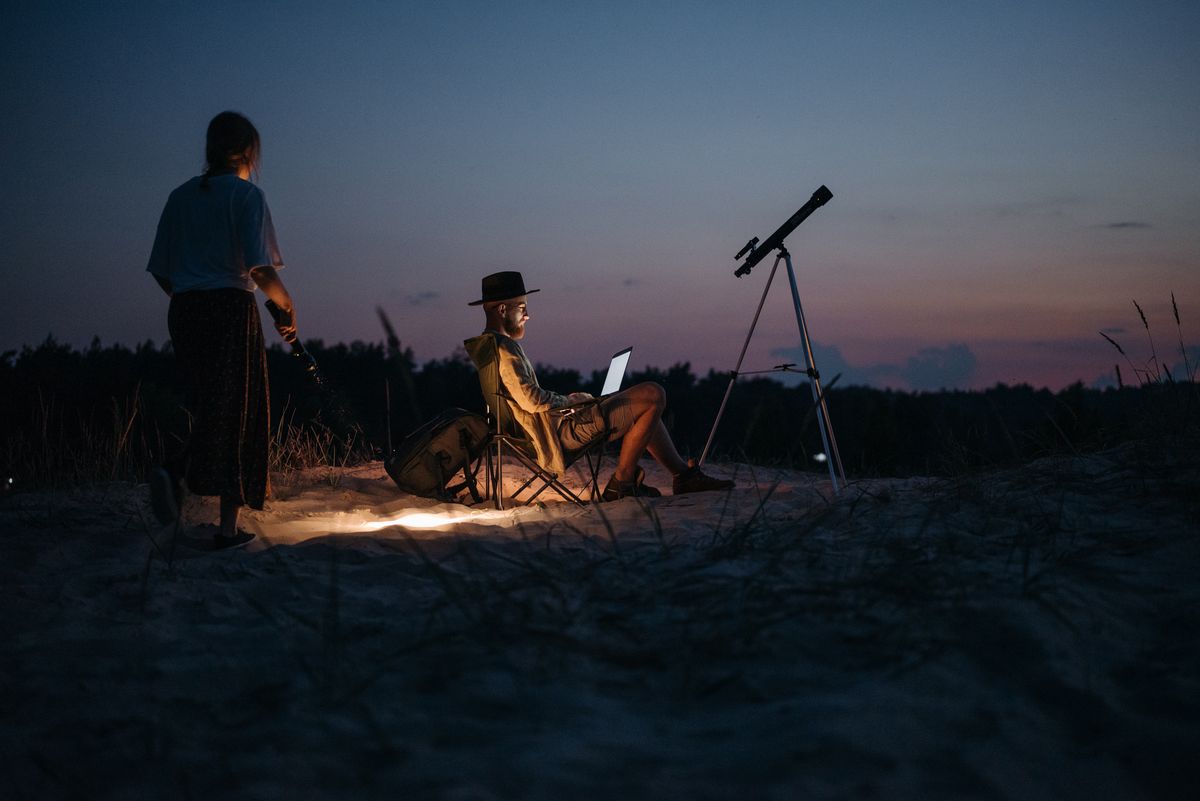
Photo by Pavel Danilyuk on Pexels
- Pre-Trip / Pre-Storm Season — Perform a complete 2-to-3-hour USB charge until the indicator charge stabilizes. Inspect the top solar panel for dirt or debris and wipe clean with a microfiber cloth.
- During Active Off-Grid Use — Place lanterns outdoors in direct, unshaded sunlight for 4 to 6 hours daily during daylight to top off power reserves. Ensure ports are dry before connecting USB cables.
- Post-Trip / Storage Prep — Collapse lanterns completely to protect the sliding 6+1 LED element. Store units in a climate-controlled room between 50°F and 70°F.
- Quarterly (Long-Term Storage) — Recharge internal 1600mAh batteries to roughly 50-70% capacity via USB every 3 to 6 months to prevent battery protection circuits from dropping into deep discharge sleep.
Side-by-Side: Solar Trickle Charging vs. USB Quick-Recharging
| Metric / Condition | 5V USB Recharging (Primary) | Top Solar Panel Charging (Secondary) |
| --- | --- | --- |
| Full Charge Duration | 2 to 3 Hours | 20 to 30 Hours (Cumulative direct sun) |
| Environmental Dependency | Requires active electrical grid, car charger, or battery generator | Requires direct, unshaded sunlight and clear UV exposure |
| Primary Application | Rapid baseline charge before departure or storm landfall | Passive off-grid top-offs during multi-day backcountry trips |
| Overcharge Protection | Integrated automatic circuit cutoff active | Integrated automatic circuit cutoff active |
| Thermal Risk Profile | Negligible under standard indoor/vehicle charging conditions | High if placed behind enclosed vehicle glass (avoid hot dashboards) |
Compare the performance metrics, weather dependencies, and ideal applications of both onboard charging methods.
5 Off-Grid Lighting Pitfalls to Avoid in the Field
Avoid these standard operational errors to maximize gear longevity and safety.
Frequently Asked Questions: Solar, USB Power Banks, and Mechanics
Detailed technical answers to common operational questions regarding dual-charging collapsible LED lanterns.
Immediate Action Plan for Off-Grid Readiness
Your decision: Determine your household or campsite lighting needs and establish a dual-charging maintenance routine.
Do this next: Perform a baseline USB charge on all household lanterns, clean solar panels with microfiber cloths, and establish a quarterly battery top-off schedule.
Related resource: Download and print our Off-Grid Pre-Trip & Storm Season Readiness Checklist.
Equip your home blackout kit and camp pack with the Dual-Charging LED Camping Lantern Pack at https://ledcampinglantern.com.
Take these concrete steps to ensure your lighting gear is fully prepared for upcoming backcountry trips or storm seasons.
Deepen Your Off-Grid Knowledge: Related Tactical Guides
Provide curated internal links to cluster guides.
Cover photo by Matheus Bertelli on Pexels.