
Led Camping Lantern Efficiency Framework
 Priya RamanSenior Analyst
October 16, 2026 — The shift toward sustainable outdoor power is accelerating as Led Camping Lantern integrates high-density lithium-ion cells into modern campsite lighting. As consumers move away from single-use alkaline batteries, understanding the performance trade-offs of integrated power systems has become essential for backcountry reliability.
Modern rechargeable lanterns are no longer just light sources; they function as central power hubs for the modern campsite. According to testing by GearJunkie, current market leaders like the Goal Zero Lighthouse 600 now utilize 5,200 mAh Li-ion batteries that serve a dual purpose, acting as a portable power bank for secondary devices. This integration reduces the total weight of a gear kit while ensuring that light remains consistent throughout the night. However, as capacities increase, the complexity of choosing the right hardware for specific environments requires a more structured approach to evaluation.
The Efficiency Triad
When evaluating a rechargeable camping light, two axes matter here: the energy density of the cell and the thermal management of the LED array. Once you see it this way, you can categorize hardware into a 3-axis model consisting of Lumens, Longevity, and Modularity. The decision rule is simple: for stationary base camps, prioritize high-lumen output and large internal reservoirs; for mobile backpacking, prioritize modularity and weight-to-lumen ratios. For instance, the Goal Zero Skylight offers a massive 6,000-lumen maximum output but requires a 33 Wh battery to maintain its peak, illustrating the high-drain nature of area lighting. Conversely, the Fenix CL27R represents the modularity axis, utilizing a removable 18650 rechargeable cell. This allows a user to carry spare pre-charged cells, effectively bypassing the downtime usually required for USB charging.
Think of it as a matrix of utility where the Led Camping Lantern hardware must balance the immediate need for visibility against the long-term energy constraints of a multi-day trip. A high-output lantern that lacks a low-power mode (often around 350 lumens for area lights) will fail the longevity axis, whereas a light with a dedicated low-drain setting can extend a single charge to over 8 hours of continuous operation. Selecting a compact solar flashlight lantern combo provides a safety net for the longevity axis, while a usb-c rechargeable tent light ensures the charging interface remains compatible with modern mobile devices. The intersection of these three axes determines the true value of the equipment in the field.
Expert tip: Always check the IPX rating alongside the battery spec; a high-capacity rechargeable lantern like the Goal Zero Skylight with an IPX4 rating ensures that your power reservoir remains protected against splashes and light rain, which is critical for lithium-ion stability.
Understanding these requirements helps in optimizing tent lighting for maximum efficiency. If you are preparing for an extended stay, consider a solar-capable light to supplement your primary rechargeable unit.
Sources
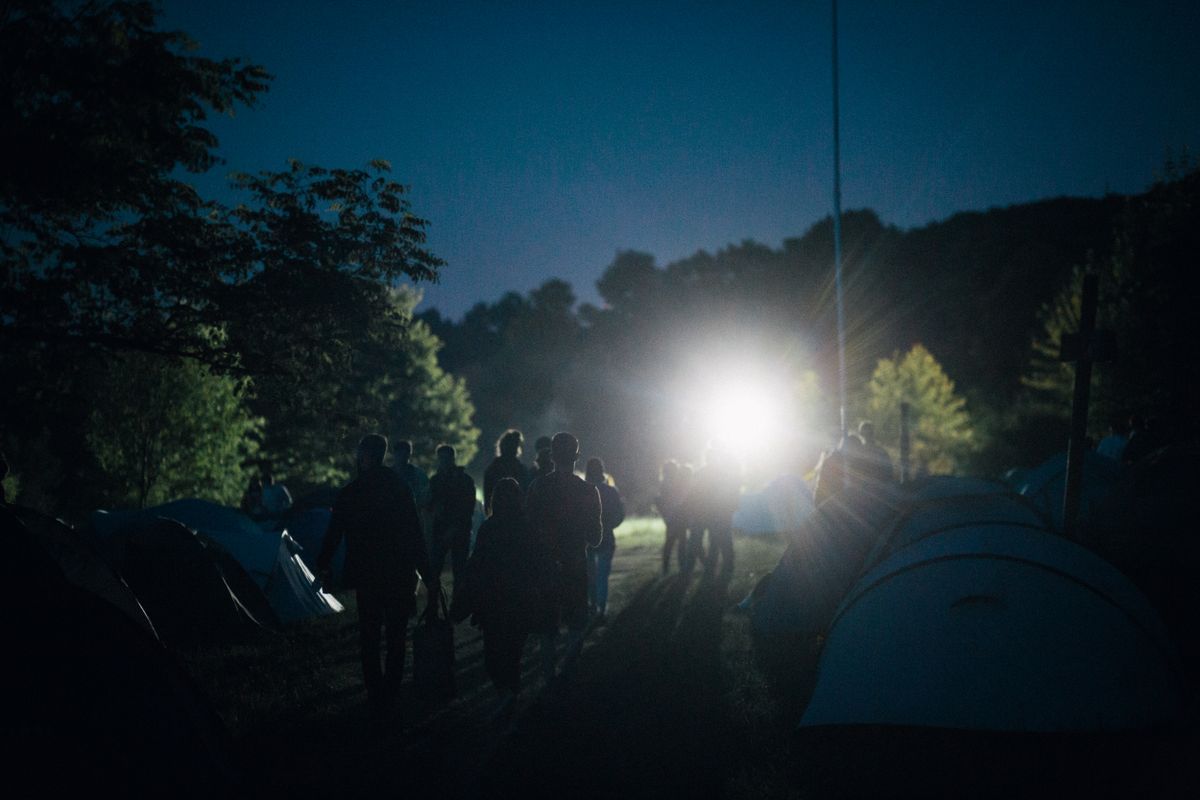
Photo by Bence Szemerey on Pexels
- Fenix Camping Lanterns - LED Lanterns - Rechargeable & Battery
- Rechargeable Camp Lighting | REI Co-op
- The 14 Best Camping Lanterns of 2026 | Tested by GearJunkie