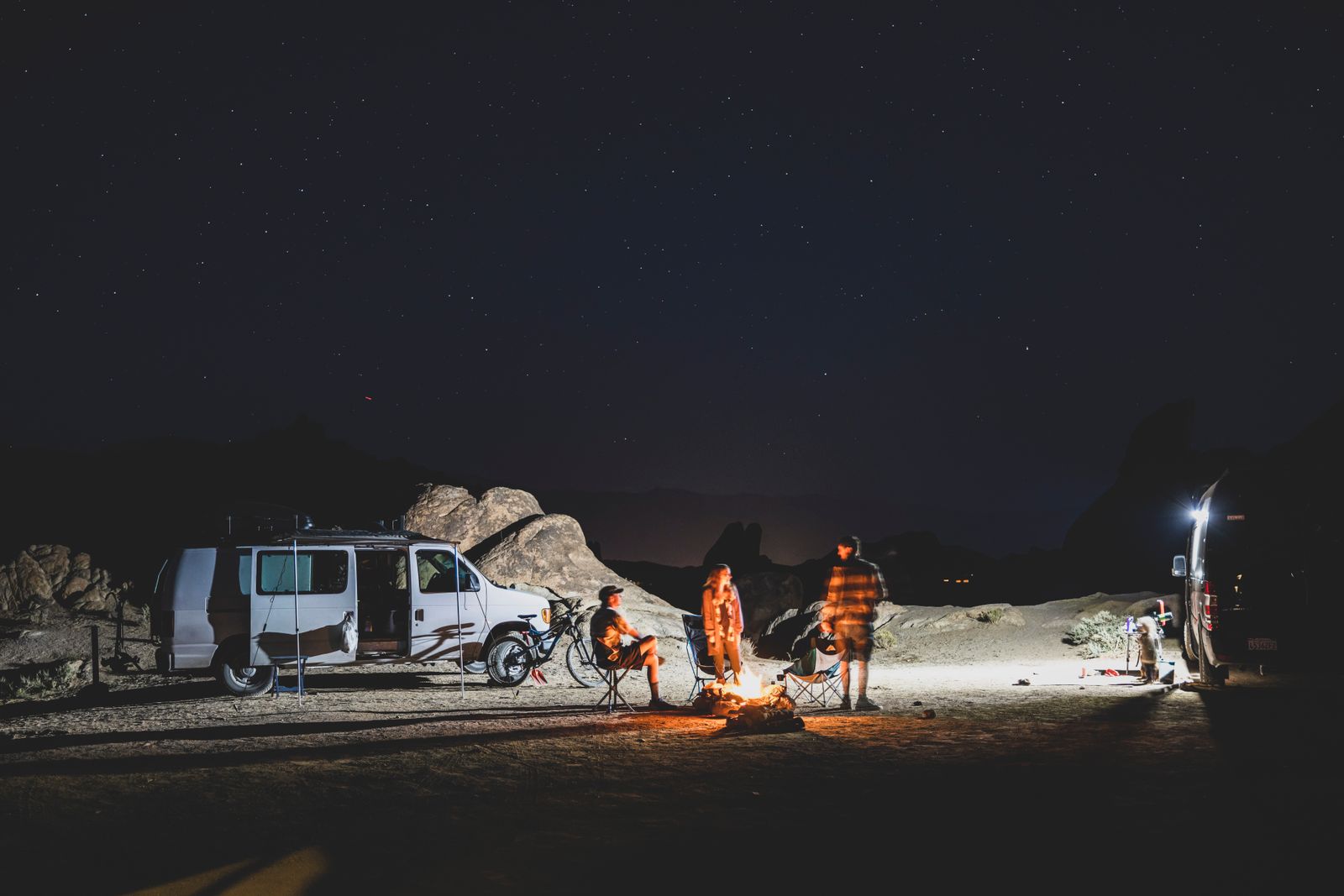
360-Degree Camping Lanterns vs. Directional Flashlights: Outdoor & Emergency Illumination Guide
Are you trying to illuminate an entire campsite or room during a blackout, or spot an obstacle 50 yards down a dark trail? Use a 360-degree lantern for hands-free ambient area lighting. Choose a directional flashlight for long-distance spot lighting. For total versatility, select a collapsible 2-in-1 LED lantern that functions as both.
Side-by-Side Illumination Performance by Scenario
| Operational Scenario | 360° Omnidirectional Lantern | Focused Directional Flashlight | Collapsible 2-in-1 Hybrid Unit |
| --- | --- | --- | --- |
| Campsite Setup & Group Dining | Optimal: Casts even 360° flood ambient light across a 15 ft radius without blinding table guests. | Poor: Creates extreme glare in direct beam and total darkness outside a narrow 15° cone. | Optimal: Functions fully open as an elevated 360° hanging flood lantern. |
| Night Trail Navigation | Poor: Scatters light nearby, failing to project luminescent throw down narrow paths. | Optimal: Focuses total lumen output into a long-throw spotlight beam for hazard detection. | Optimal: Collapses into a handheld spotlight using bottom housing 6+1 LED optics. |
| Tent Reading & Enclosed Living | Optimal: Softly illuminates vertical walls without harsh shadow casting or dark spots. | Poor: Over-saturates one small spot on nylon fabric, leaving dark room corners. | Optimal: Pull-to-adjust height controls total light output to exact ambient comfort. |
| Multi-Day Home Power Blackout | Optimal: Frees hands while casting widespread flood light across an entire living area. | Moderate: Requires ceiling bouncing to diffuse light, draining battery inefficiently. | Optimal: Offers 360° room light plus dual Solar and USB recharging for extended off-grid power. |
| Emergency Vehicle Maintenance | Moderate: Provides ambient flood light around engine bay, but lacks intense spot focus. | Optimal: Directs concentrated beam into tight, dark mechanical components. | Optimal: Easily converts between directional inspection spot light and wide flood beam. |
Evaluating lighting performance across distinct operational environments reveals how beam geometry directly dictates functionality.
Core Strengths and Failure Modes of Each Lighting Style
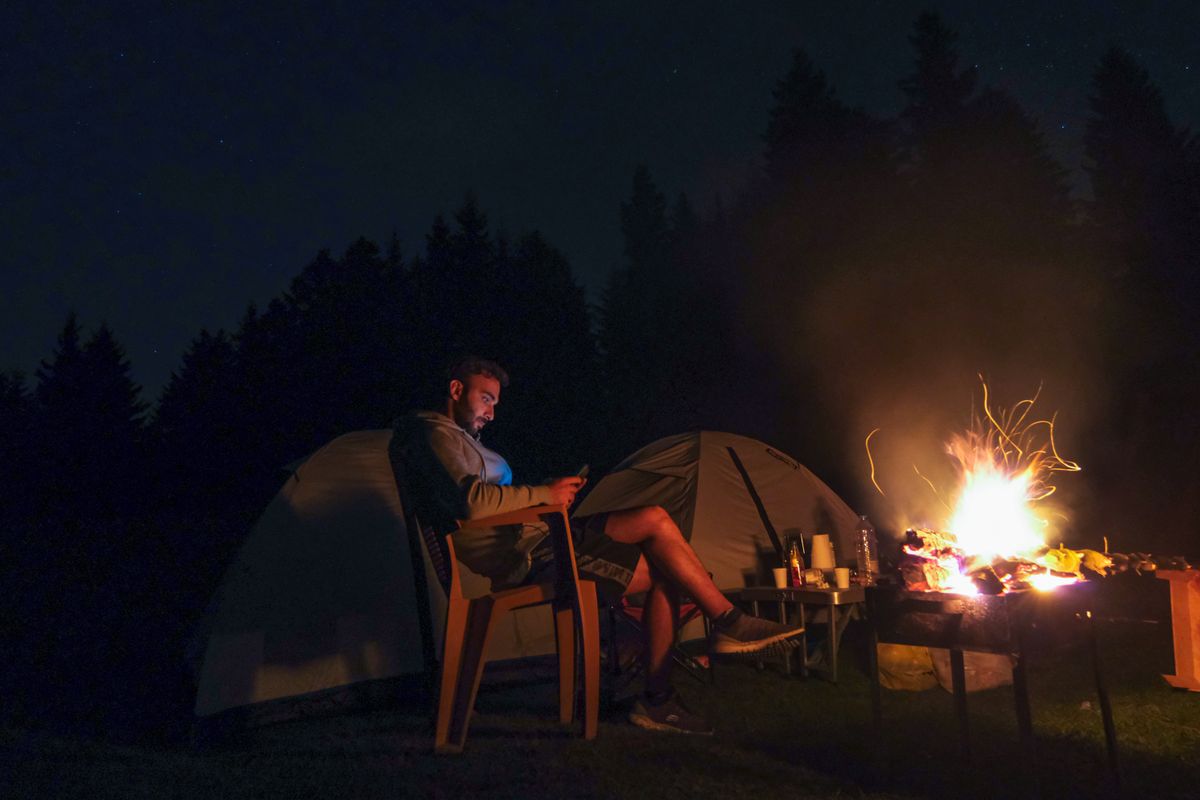
Photo by Amine İspir on Pexels
Pros
- 360° Lanterns illuminate broad spatial areas simultaneously without requiring manual aim.
- Directional Flashlights throw light across long distances for high-speed obstacle detection.
- Collapsible Hybrids eliminate gear trade-offs by housing both beam optics in a single compact chassis.
- Pull-to-adjust brightness mechanics let users adjust output and conserve battery power effortlessly.
- Lantern Failure Mode: Omnidirectional dispersion suffers high lux decay over distance, making far objects invisible.
- Flashlight Failure Mode: High-intensity directional beams induce 'tunnel vision' and severe peripheral eye fatigue.
- Lantern Failure Mode: Exposing open globe lanterns in high-velocity wind or heavy rain can damage non-sealed housings.
- Flashlight Failure Mode: Setting a flashlight flat on a table produces severe ambient glare and harsh cast shadows.
Field Note: Managing Peripheral Vision and Dark Adaptation
When navigating dark trails or running an off-grid campsite, your eyes require approximately 20 to 30 minutes to fully adapt to nighttime conditions. A high-intensity directional flashlight focused straight ahead produces severe contrast threshold differences: the central hot spot appears blindingly bright, but your natural peripheral vision is completely blinded in the surrounding dark zone.
To preserve spatial awareness and natural dark adaptation, deploy a 360-degree ambient LED lantern suspended at or above eye level. The wide, diffused light dispersion elevates the ambient photopic lux level across your entire peripheral field of view, preventing harsh contrast glare and reducing visual fatigue during long outdoor nights or extended home power outages.
Scenario Decision Flow: Which Light Source Do You Need?
- Are you primarily stationary (campsite/living room) or moving rapidly (dark trail hiking)? → Yes: Go to Question 2 (Stationary Area Needs). No: Go to Question 3 (Active Movement Needs)
- Do you need multi-person, hands-free area coverage without blinding table companions? → Yes: Select a 360° Omnidirectional LED Area Lantern.. No: Select a Directional Inspection Spotlight.
- Do you require both immediate long-throw trail spotting AND hands-free tent flood lighting? → Yes: Select a Collapsible 2-in-1 Dual-Mode Hybrid Lantern.. No: Select a Dedicated High-Lumen Tactical Flashlight.
Immediate Action Plan for Outfitting Your Lighting Kit
Your decision: Choose between dedicated directional beams for trail navigation or 360° omnidirectional flood lighting for area coverage.
Do this next: Equip your gear bag and home emergency blackout response kit with a collapsible 2-in-1 LED lantern pack featuring dual solar and USB charging.
- Read next: How Many Lumens Do You Need for Camping? Area Lighting & Coverage Guide
- Read next: Solar vs. USB Charging Lanterns for Emergency Preparedness: Which Is Best?
Led Camping Lantern (Pack) - Multi-chip 6+1 LED, pull-to-adjust collapsible body, solar & USB rechargeable 1600mAh battery with power bank output.
Follow these practical steps to audit your outdoor lighting equipment and prepare for seasonal power blackouts.
Essential Rules of Illumination Mechanics
Key facts to remember when evaluating portable lighting performance.
Buying Advice: Matching Illumination Architecture to Environment
Choose a 360-degree LED lantern for stationary area lighting and multi-person blackout emergency survival. Choose a directional flashlight for long-throw trail navigation and tight mechanical repairs. Select a collapsible 2-in-1 hybrid lantern if pack volume and weight are limited.
Best choice for
- 360-Degree LED Lantern — Spreads soft, diffused light across a broad radius without casting harsh shadows or causing visual glare.
- Directional Flashlight — Focuses lumen output into a tight parabolic cone, projecting brightness far down dark pathways.
- Collapsible 2-in-1 Hybrid Lantern — Combines 360° room lighting and directional spotlighting into a phone-sized body with solar and USB recharging.
- Avoid relying on a directional flashlight as your sole illumination source for group dining or room blackouts; focused beams produce blinding reflections off surfaces and deep dark shadows elsewhere.
- Avoid using a dedicated fixed glass lantern for fast-paced night trail hiking; wide spatial light scatter fails to illuminate hazards beyond 10-15 feet.
- Headlamps — Excellent for solo hands-free directional illumination, but can blind gear companions whenever you turn your head toward them.
Recommended Solution: Dual-Mode Collapsible 2-in-1 LED Lanterns
Rather than locking yourself into a single lighting style, modern multi-chip LED engineering combines omnidirectional flood lighting and focused directional throw into one ultra-portable chassis.
Featured Outdoor Gear: Multi-Functional LED Camping Lantern (Pack)
Engineered for total spatial flexibility, the Led Camping Lantern (Pack) solves the classic lantern-versus-flashlight dilemma with an intuitive collapsible housing and advanced multi-chip array.
- 360° & Directional Versatility: Features a 6+1 high-intensity LED chip array. Fully expanded, it functions as a wide 360° room lantern; collapsed, the bottom optic operates as a focused directional spotlight flashlight.
- Pull-to-Adjust Mechanical Dimming: Seamlessly control light intensity and conserve power simply by raising or lowering the lantern height.
- Dual Solar & USB Charging Systems: Powered by an integrated 1600mAh Li-ion battery with automatic power-off overcharge protection. Charge via top solar panel in the backcountry or high-speed USB at home.
- Emergency Power Bank Function: Equipped with a standard USB output port to charge Android phones and essential mobile devices during power grid failures.
- Compact & Children-Friendly Form Factor: Measures just 3.07" x 3.07" x 5.12" when collapsed (expanding to 3.62" x 3.62" x 7.48"), making it lightweight enough for young children and easy to pack into tight bug-out bags.
Deep Dive: Real-World Performance Breakdown
Scenario A: Home Power Outage during a Severe Hurricane — Deploy a 360-degree lantern on a central dining table or counter. The wide horizontal flood light covers up to 300 sq ft, enabling the whole family to move safely without holding individual lights. Dual solar panels ensure continuous daytime top-up charging when municipal power grids remain offline for days.
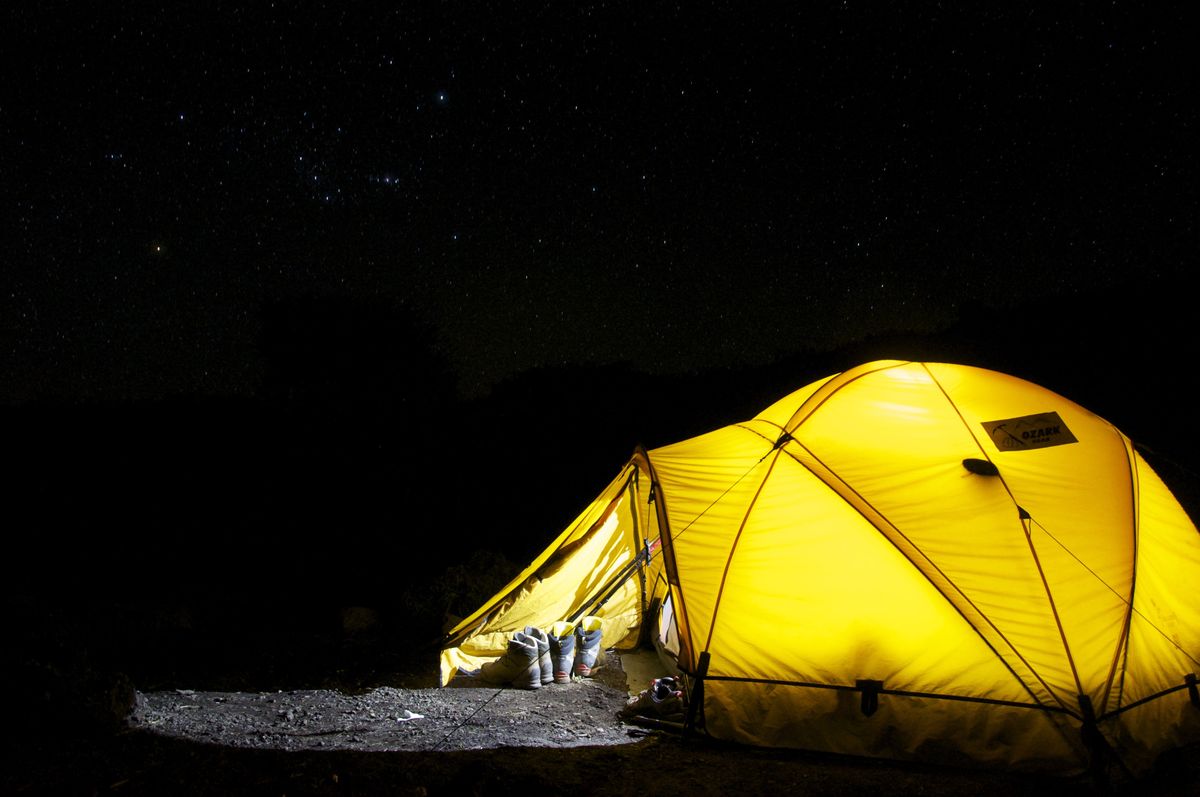
Scenario B: Setting Up Camp After Dark in Dense Forest — Hang a collapsible lantern from a high tree branch or tent gear loft using the built-in folding handle. The 360-degree ambient beam illuminates tent stakes, guy lines, and gear storage simultaneously, preventing tripping hazards around the campsite perimeter.
Scenario C: Walking a Dark Trail to Retrieve Water — Collapse the lantern into flashlight mode to engage the bottom focused spot beam. The optical lens concentrates lumen density straight ahead, projecting light 50+ feet to spot roots, mud patches, and wildlife on dark forest paths.
Examining real outdoor and emergency situations illustrates why matching beam pattern to context is critical for safety and comfort.
A common point of confusion among outdoor enthusiasts and emergency planners is why two lighting devices with identical total lumen output produce drastically different real-world brightness. The answer lies in beam distribution and spatial geometry.
The Inverse-Square Law and Light Dispersion
- Lumens measure the total quantity of visible light emitted by a light source in all directions.
- Lux measures luminous flux per unit area (one lux equals one lumen per square meter).
Conversely, when a 360-degree lantern emits 300 lumens, it spreads that light across a full sphere (4π steradians). In accordance with the Inverse-Square Law ($Illuminance = \frac{Intensity}{Distance^2}$), lux levels decay rapidly as distance from the lantern increases. While a lantern cannot throw light hundreds of feet down a path, it provides balanced, uniform illuminance across a local 15-to-20 foot radius—eliminating harsh contrast shadows and eye strain inside tents, cabins, or power-deprived homes.
Modern Energy Efficacy & Multi-Chip LED Architectures
Traditional incandescent filament bulbs wasted over 90% of electrical energy as heat. Modern multi-chip surface-mount LED arrays (such as 6+1 chip configurations) convert electrical power into light with over 80% efficiency. By placing six lateral LEDs around a cylindrical core for 360-degree flood output, plus one focused high-intensity chip at the bottom housing, collapsible hybrid units maximize battery runtime while serving two distinct optical functions.
Optical Diagram: 360° Omnidirectional Area vs. Directional Spotlight Beam
This visual schematic demonstrates the physical light dispersion patterns of wide-area lanterns compared to narrow long-throw spotlight beams.
Interactive Tool: Campsite & Emergency Illumination Calculator
Use this tool to estimate the spatial lumen output and battery runtime required for your specific outdoor or emergency room size.
Frequently Asked Questions
Get answers to common technical queries regarding hybrid light mechanics, lumen distribution, and emergency preparedness.
Final Steps: Upgrade Your Emergency Preparedness
Your decision: Determine whether your upcoming outdoor activity or home emergency blackout kit requires wide-area spatial coverage, directional beam distance, or a versatile dual-mode hybrid solution.
Do this next: Equip your vehicle, campsite gear bag, and home storm survival kit with multi-functional collapsible 2-in-1 LED lanterns.
- Read next: How Many Lumens Do You Need for Camping? Area Lighting & Coverage Guide
- Read next: Solar vs. USB Charging Lanterns for Emergency Preparedness: Which Is Best?
Led Camping Lantern (Pack) - Multi-chip 6+1 LED, pull-to-adjust collapsible body, dual solar/USB charging with power bank output.
Make sure your emergency lighting strategy covers both wide-area flood needs and long-distance directional spotlighting.
Related Lighting Mechanics & Setup Guides
Connect readers to relevant internal guides within the content cluster.
Cover photo by Stephen Leonardi on Pexels.