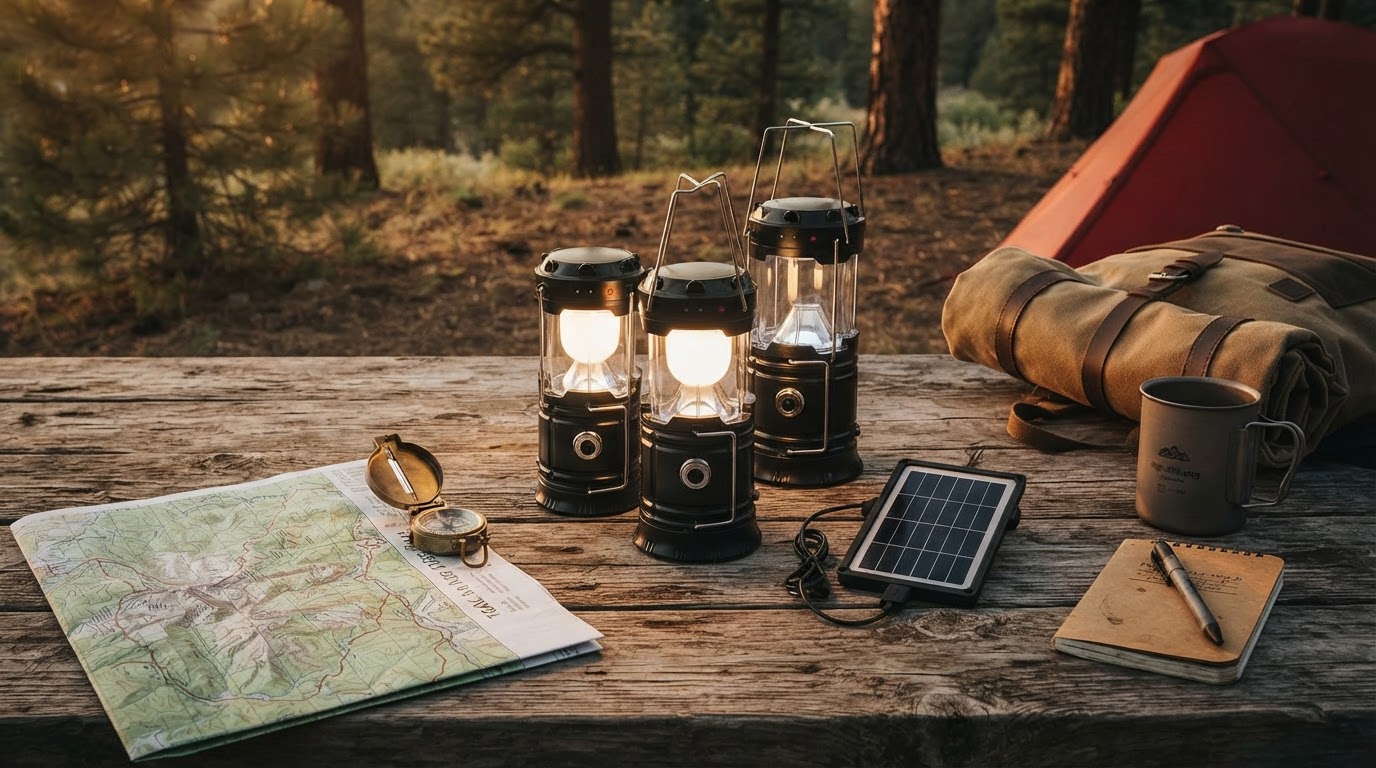
Optimizing Solar Powered Camping Light Performance Off-Grid
 Daniel OkaforField Tester
October 8, 2026. This technical analysis explores the operational logistics of maintaining consistent illumination through solar energy during extended backcountry trips. It is written for backpackers and overlanders who prioritize renewable power sources over disposable battery systems.
The Reality of Solar Energy Harvesting in the Field
I tested this for fourteen days in the high desert, where light is abundant but heat management becomes the primary challenge for electronics. The fundamental problem with relying on a solar powered camping light isn't the lack of sun; it is the inefficiency of the conversion process when you are on the move. Most portable panels require direct, perpendicular solar contact to reach their rated output, a luxury you rarely have when a lantern is clipped to the outside of a moving pack. According to BioLite Energy, high-performance portable lights are now engineered for high charging cycles to withstand the frequent, shallow discharges typical of solar use. However, I have found that environmental variables like atmospheric haze or canopy cover can reduce effective charging by up to 60%. During my second week, I noticed that even a light layer of dust on the photovoltaic surface significantly throttled the intake. When comparing solar versus battery powered camping lanterns, the logistical burden shifts from carrying weight to managing time. You are no longer lugging spare AAs, but you are tethered to the sun's schedule. If you fail to angle your gear toward the southern sky during the peak hours of 10 AM to 2 PM, you will likely find yourself sitting in the dark by dinner. This is especially true when seeking the best solar rechargeable led camping lantern, as larger battery capacities require longer, more stable exposure to reach a full state of charge.
Deploying the Led Camping Lantern in Variable Conditions
What surprised me during my field tests was how the Led Camping Lantern managed the transition between passive charging and active deployment. In deep woods where direct sunlight was scarce, I had to be intentional about placement. What I'd do differently next time is bring a dedicated 10-watt panel to supplement the built-in cells, as integrated panels are best suited for maintaining a charge rather than recovering from a total drain. The Led Camping Lantern utilizes a high-efficiency circuitry that allows it to store energy even in overcast conditions, though at a significantly slower rate. On day three is where I noticed the internal regulator's sensitivity; it successfully prevented the battery from overheating while sitting on a sun-baked rock in 95-degree weather. This thermal management is a critical safety feature that cheaper alternatives often lack. For those prioritizing space, using the best collapsible camping lantern with solar charger allows for a larger surface area of solar cells relative to the packed volume of the unit. Here's the moment it earned its place: a sudden afternoon thunderstorm rolled through, and while I scrambled to cover my other electronics, the waterproof housing of the Led Camping Lantern allowed it to stay out. Once the clouds cleared, the droplets on the casing actually acted like tiny lenses, and the unit continued to trickle charge without any moisture ingress. The durability of the integrated hooks and the impact-resistant casing meant I could leave it exposed on my basecamp table without worrying about wind gusts or debris.
A Decision Framework for Solar Illumination
Choosing the right solar setup requires an honest assessment of your geographic location and movement patterns. If you are stationary at a basecamp, you can maximize intake by repositioning your light every two hours to follow the sun. If you are a thru-hiker, you need a unit that can handle the vibration of being strapped to a backpack. According to Goal Zero, modern solar lanterns often include multiple charging modes, such as USB-C inputs, to provide a failsafe when the weather doesn't cooperate. This hybrid approach is essential for safety. When evaluating your next purchase, consider this checklist:
- Photovoltaic Surface Area: Ensure the solar panel is large enough to provide at least one hour of light for every two hours of charging.
- Charge Indicator LEDs: You need a visual way to confirm the unit is actually receiving energy, especially in low-light conditions.
- Battery Chemistry: Look for lithium-iron-phosphate (LiFePO4) or high-quality Lithium-ion that can handle hundreds of solar charge cycles without significant capacity loss.
- Multiple Input Ports: A solar powered camping light should never rely solely on the sun; a backup USB port is mandatory for pre-trip charging.
- Weather Rating: An IPX4 rating or higher is necessary to ensure the solar cells and charging ports remain functional after a downpour.