
Solar vs. USB Charging Lanterns for Emergency Preparedness: Which Is Best?
Should you rely on solar power or USB charging for emergency blackout lighting? Neither single power option is sufficient on its own. USB charging delivers a rapid 3 to 4-hour pre-storm prep but fails during multi-day grid collapses. Solar offers infinite off-grid energy but depends entirely on sunlight. The ultimate emergency solution is a hybrid dual-charging LED lantern that combines both methods.
Solar vs. USB vs. Dual-Charge Performance Matrix
| Outage Scenario / Metric | USB-Only Charging | Solar-Only Charging | Hybrid Dual-Charging (Solar + USB) |
| --- | --- | --- | --- |
| Pre-Storm Rapid Prep (24h Before Landfall) | Fast (3-4 hours to 100% via wall outlet) | Slow & Weather Dependent (8-12 hours direct sunlight) | Fast (3-4 hours to 100% via wall outlet) |
| 24-Hour Winter Power Trip | Sufficient (Runs on pre-charged internal battery) | Low Output (Weak winter solar rays limit recovery) | Optimal (Runs on initial charge; solar trickles backup) |
| 7-Day Hurricane Grid Failure (Overcast Skies) | Fails Entirely (Dead battery after night 1 or 2) | Reduced Rate (20-30% solar conversion under heavy clouds) | Sustains Baseline (Solar trickle keeps emergency light active) |
| Emergency Phone Top-Off (1600mAh Output) | Available until initial charge depletes | Extremely slow energy transfer rate | Reliable (Solar maintains battery buffer for USB output) |
| Single-Point Failure Vulnerability | High (Requires active electrical grid) | High (Requires clear daylight and sunlight) | Zero (Redundant dual-source power architecture) |
A side-by-side comparison evaluating charging speed, weather dependency, grid reliance, and emergency utility across realistic power outage scenarios.
Failure Modes and Trade-Offs of Each Power Source
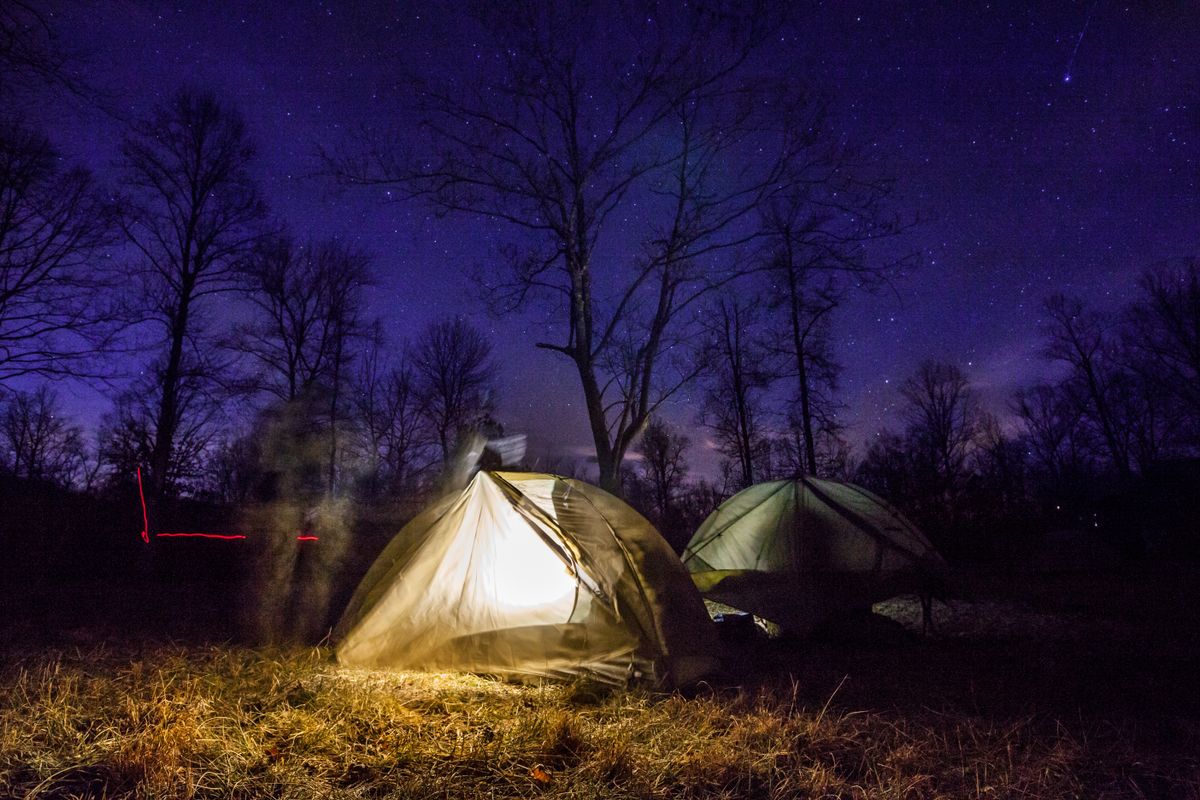
Photo by Art Guzman on Pexels
Pros
- Dual-charging models eliminate both grid dependency and solar speed bottlenecks.
- USB charging allows rapid 3-4 hour wall topping off 24 hours before a storm hits.
- Solar panels provide continuous off-grid trickle charging during multi-day blackouts.
- Built-in 1600mAh Li-ion battery supplies emergency power to charge smartphones via USB output.
- USB-only lanterns become useless plastic once their internal battery drains during a prolonged grid failure.
- Solar-only lanterns recharge too slowly under dark storm clouds or during short winter days.
- Leaving unmaintained lithium-ion batteries uncharged in storage for years can lead to deep discharge degradation.
Pro Strategy: The 1600mAh Pre-Storm Power Routine
Do not wait for storm warnings to inspect your emergency lighting. Connect your dual-charging LED lanterns to a USB wall charger 24 to 48 hours prior to anticipated severe weather. A full USB charge takes 3 to 4 hours. Thanks to built-in automatic power-off protection, the internal 1600mAh lithium-ion battery will automatically stop accepting current once full, preventing overcharging and cell degradation. Once the storm passes and grid power drops, place the lanterns on south-facing windowsills during daytime hours to maintain a continuous passive solar trickle charge.
The Verdict: Why Dual-Charging (Solar + USB) Is Mandatory
For comprehensive emergency preparedness, single-source lanterns present unacceptable risks. The Led Camping Lantern (Pack) resolves grid dependency and solar charge delays by integrating both power methods into a single collapsible housing.
Key Specifications:
- Illumination Engine: 6+1 High-Intensity LED chips delivering 360° wide-area lantern coverage and a focused directional top flashlight.
- Brightness Control: Pull-up collapsible activation (adjust brightness instantly by pulling the handles up).
- Dual Power System: Top-mounted Solar Panel + Micro-USB Input with automatic power-off protection.
- Emergency Power Bank: Integrated USB output port to charge Android and iOS smartphones during blackouts.
- Internal Battery: 1600mAh Lithium-ion rechargeable battery.
- Compact Physical Dimensions: Collapses down to 3.07 inches long by 3.07 inches high by 5.12 inches wide (phone-sized footprint); expands to 3.62 x 3.62 x 7.48 inches for full room lighting.
Blackout Power Strategy Decision Tree
- Is your main risk short suburban brownouts (< 12 hours) or severe multi-day storm blackouts? → Yes: Proceed to Question 2 (Multi-Day Storm Risks).. No: USB wall charging is sufficient, but dual-charging adds zero-maintenance solar safety.
- Will you have access to a fuel generator or solar power station during the outage? → Yes: USB rechargeable lanterns can be topped off via generator daily.. No: Proceed to Question 3 (No Generator Access).
- Are severe storm clouds or winter weather expected to block direct sunlight for days? → Yes: Pre-charge via USB wall outlet BEFORE storm landfall, then use passive solar trickle charging to maintain baseline reserves.. No: Dual-charging lantern will fully recharge via direct outdoor daylight.
Immediate Action Steps for Home Preparedness
Your decision: Choose hybrid dual-charging LED lanterns to eliminate single-point failure modes during power outages.
Do this next: Equip primary living spaces and bedrooms with a 2-pack or 4-pack of collapsible dual-charging LED lanterns.
Related resource: Download our Emergency Pre-Storm Lighting Inspection Checklist.
Led Camping Lantern (Pack) - Dual-Charge 360° Collapsible LED Lantern with Emergency USB Phone Charger.
Take these concrete preparation steps today to safeguard your household before the next unexpected power failure.
Key Preparedness Takeaways
Skim these fundamental emergency lighting guidelines before finalizing your blackout kit setup.
Decision Matrix: Which Charging Style Fits Your Risk Profile?
Photo by cottonbro studio on Pexels
Single-source lanterns fail when you need them most: USB lanterns die during multi-day grid failures, while solar lanterns charge too slowly under storm clouds. Dual-charging hybrid lanterns (Solar + USB) eliminate both failure modes.
Best choice for
- Dual-Charging (Solar + USB) Lanterns — Allows fast wall charging before storm landfall, with solar trickle charging for extended multi-day grid outages.
- USB-Charged 1600mAh Lanterns — Fast 3-4 hour USB recharge delivers immediate max brightness without needing sunlight.
- Avoid solar-only lanterns if you live in high-latitude winter regions with minimal emergency daylight.
- Avoid USB-only lanterns if your home is vulnerable to multi-day grid collapses without backup generator power.
- Disposable Alkaline Battery Lanterns — Requires hoarding alkaline AA batteries that leak over time; inferior to rechargeable 1600mAh lithium-ion setups.
Top Emergency Preparedness Recommendation: Dual-Charge LED Pack
The primary recommendation for emergency lighting preparedness is the dual-charging collapsible LED lantern pack. It serves as both an ambient 360-degree room light and a focused directional flashlight.
Real-World Outage Scenarios: 24-Hour Blackout vs. 7-Day Hurricane
Scenario A: 24-Hour Winter Ice Storm Power Failure — During a short winter blackout, solar panels yield under 20% efficiency due to overcast skies and short daylight hours. A pre-charged 1600mAh USB lantern easily powers a room through the night. The dual-charge model excels here because it was fully topped off via USB wall charger prior to ice accumulation.
Scenario B: 7-Day Category 3 Hurricane Grid Collapse — By night 3 of a major grid failure, USB-only lights are completely depleted. Without power lines or generators, residents are left in total darkness. A dual-charging lantern uses its top solar panel on windowsills during daylight hours, harvesting enough trickle charge to power its 6+1 LED array each night and maintain emergency battery reserves for smartphone communication.
Examine how solar, USB, and dual-charging lanterns perform across two common real-world disaster situations.
Understanding the internal architecture of modern LED emergency lanterns helps homeowners maximize device longevity and operational reliability.
The Role of 1600mAh Lithium-Ion Battery Chemistry
Unlike older emergency lights that relied on heavy lead-acid cells or disposable D-cell alkaline batteries prone to corrosion and leakage, modern dual-charging lanterns utilize built-in 1600mAh Lithium-ion (Li-ion) rechargeable batteries. Li-ion cells offer high energy density in an exceptionally lightweight footprint. When collapsed, the lantern measures just 3.07 inches long by 3.07 inches high by 5.12 inches wide—making it roughly the size of a standard smartphone and light enough for young children to carry comfortably.Dual-Charging Architecture: Solar Panel + USB Input
360° Room Coverage & Variable Pull-Up Illumination
The lantern utilizes a 6+1 high-intensity LED chip array. Expanding the collapsible body exposes the vertical 6-LED column, emitting 360-degree uniform light capable of illuminating an entire living room or family tent. You can adjust the brightness simply by changing how high up you pull the lantern housing. Closing the housing fully shuts off the 360° lantern and enables the single focused +1 bottom/top LED lens, transforming the light into a directional flashlight for night walking or focused search tasks.Emergency Power Bank Capability
When grid electricity fails, maintaining communication via cell phones is critical for emergency broadcasts and family safety updates. The lantern features a standard USB output port powered by its internal 1600mAh battery reserve. In urgent situations, users can plug in their smartphone charging cables to extract vital emergency power directly from the lantern.Essential Off-Grid & Emergency Guides
Explore additional guides on emergency preparedness, home lighting strategies, and battery maintenance:
- How to Prepare Your Home Lighting Strategy for Severe Storms and Hurricane Blackouts
- Best Emergency Lanterns with Phone Charging Capabilities for Power Outages
- How to Properly Solar Charge and Maintain Your Emergency LED Lantern Battery
- 360-Degree Lanterns vs. Directional Flashlights: Which Illumination Style Is Best?
Frequently Asked Questions
Clear answers to common questions regarding solar and USB emergency camping lanterns.
Final Action Plan for Storm Readiness
Your decision: Equip your disaster prep kit with hybrid dual-charging LED lanterns that combine fast USB wall pre-charging with continuous solar trickle maintenance.
Do this next: Order a 2-pack or 4-pack of collapsible dual-charging LED lanterns to cover all major bedrooms and communal living spaces.
Related resource: Download our Emergency Storm Lighting Inspection Checklist.
Led Camping Lantern (Pack) - 360° Collapsible Dual-Charge LED Lantern with Emergency USB Power Bank Output.
Secure reliable, redundant lighting for your household before the next weather event.
Cover photo by cottonbro studio on Pexels.