Equipping Your First Trip With Led Camping Lantern Gear
 Sam VasquezBuying Guide Lead
October 22, 2026. Selecting the right equipment for an inaugural outdoor excursion ensures that safety and comfort remain the primary focus throughout the trip. This guide provides a practical framework for new campers to build a reliable gear kit that balances functionality with ease of use.
Establishing a Reliable Camping Foundation
Starting out in the outdoors often feels like a logistical puzzle. Many newcomers make the mistake of over-packing heavy, specialized equipment that they don't yet know how to operate. According to REI Expert Advice, the most valuable asset for a beginner is actually an experienced outdoorsy person to help navigate these early choices. Beyond mentorship, the physical gear list must prioritize shelter and sleep. A tent should be rated for the specific season you are camping in, usually a three-season model for most beginners, and your sleeping bag needs a temperature rating that accounts for the coldest possible dip in the local forecast. Sea to Summit notes that a sleeping pad is just as critical as the bag itself, providing the necessary insulation from the cold ground that a bag alone cannot offer. Without these basics, the transition from a controlled home environment to the unpredictable outdoors can be jarring. If you're on a budget, I recommend prioritizing the sleeping pad and bag over a high-end tent; a mid-range tent will keep the rain off, but a cheap sleeping pad will almost certainly result in a miserable night.
Security and visibility are the next hurdles. Navigating a dark campsite is one of the most common stressors for first-timers. Understanding nighttime safety tips for family camping is essential because it helps you realize that lighting isn't just about seeing your book—it is about preventing trips, identifying wildlife, and maintaining a sense of boundary in the woods. While many beginners rely solely on a phone flashlight, this is a tactical error that drains a vital communication device and provides a poor, narrow beam. Instead, a dedicated lighting strategy involving both personal and area illumination is the industry standard for a reason. You need to be able to see the path to the bathroom while also having a steady light source at the picnic table for meal preparation.
Integrating Led Camping Lantern Solutions
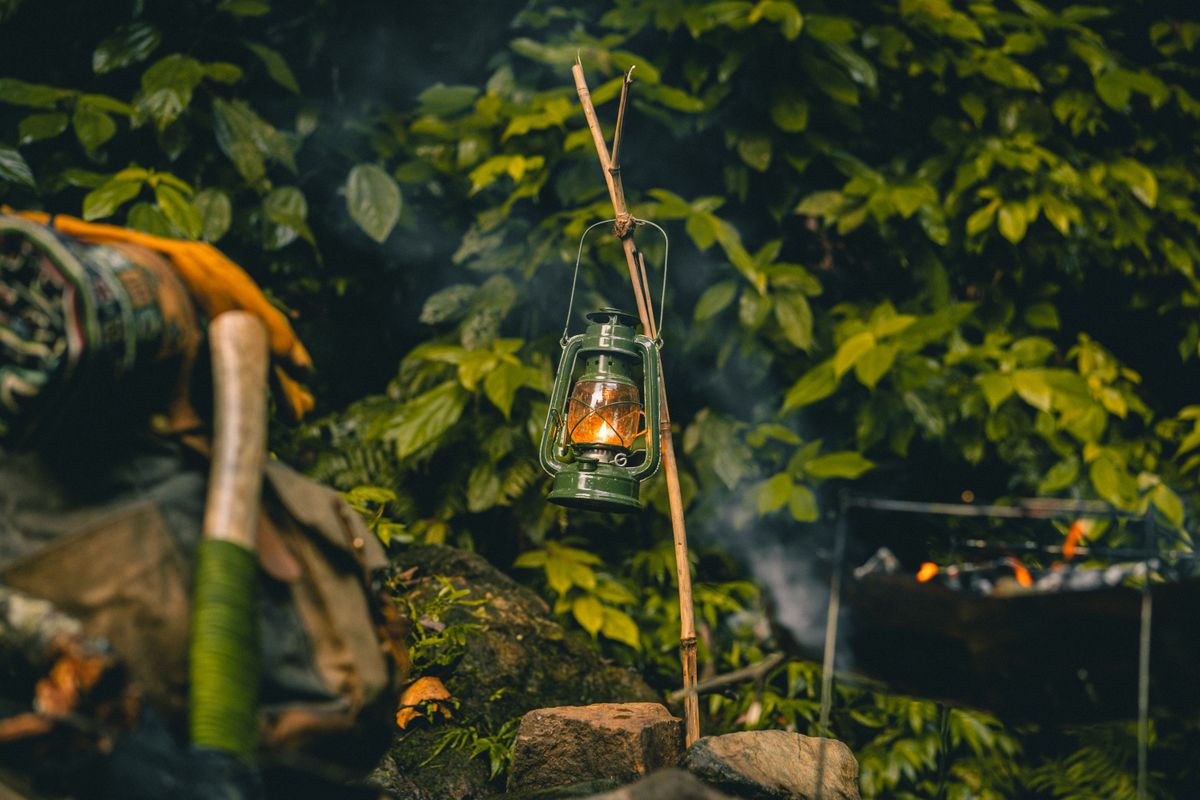
Lighting is where I see most beginners fail by choosing either too little light or the wrong kind of light. A Led Camping Lantern serves as the anchor for your campsite's social and functional areas. Unlike a headlamp, which provides a directional beam that can blind your campmates during a conversation, a lantern provides 360-degree ambient light. This is particularly important when you are learning how to choose a camping lantern that fits your specific site layout. For a basic car camping setup, I prefer a rechargeable LED model because it eliminates the need to carry bulky D-cell batteries or volatile liquid fuels. The Led Camping Lantern models are designed to be intuitive; you don't want to be fumbling with complex settings when the sun goes down and you're still trying to stake out the vestibule.
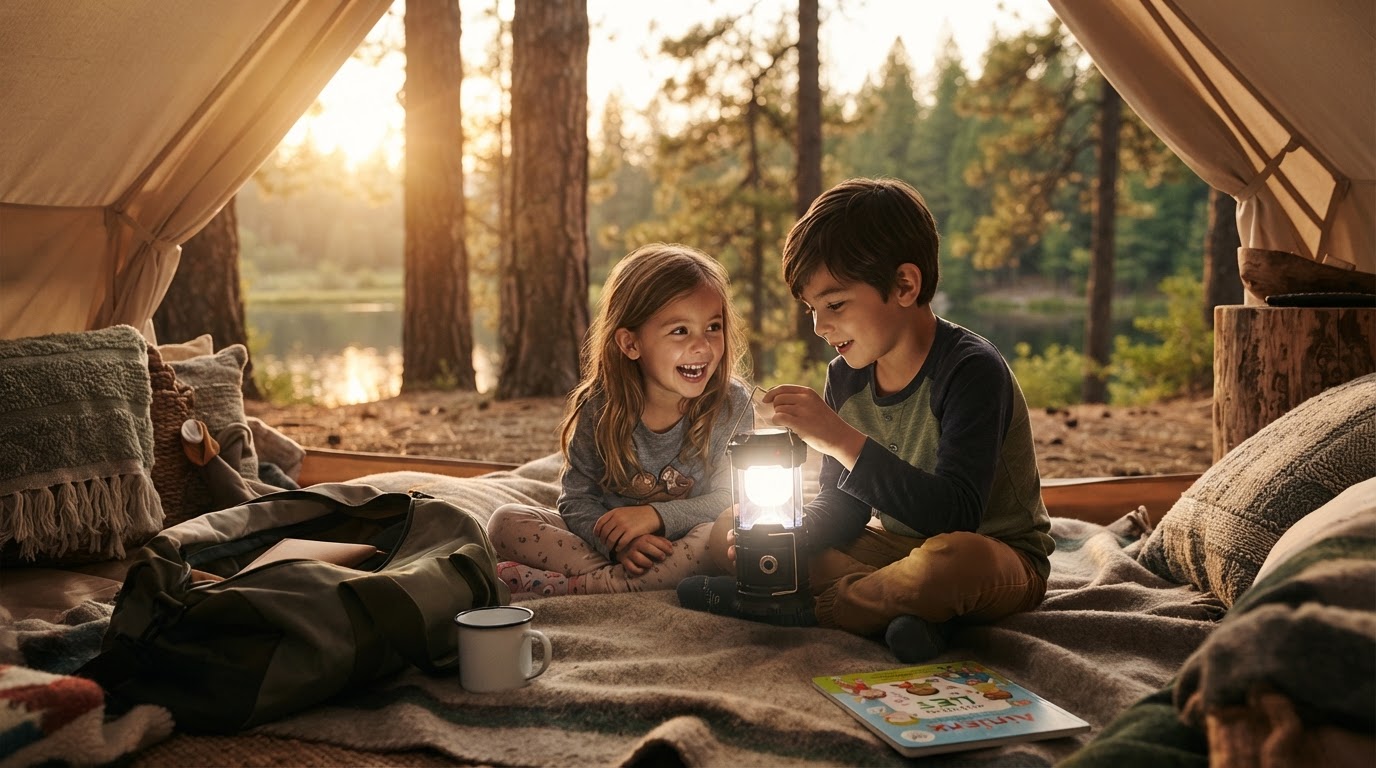
Between these two options—a high-lumen gas lantern and a rechargeable LED lantern—I’d go with the LED every time for a beginner. Gas lanterns are hot to the touch, require mantles that break easily, and aren't safe to use inside a tent. A Led Camping Lantern remains cool, making it safe for children to handle and suitable for hanging from a tent gear loft. If you are heading into environments with high humidity or frequent rain, you should specifically look for a waterproof survival lantern to ensure your light source doesn't short out during a storm. Reliability is the most important spec here. While a headlamp is helpful for tasks, the lantern creates the "room" in your outdoor living space. Here's what I'd actually buy: a primary rechargeable lantern with at least 300 lumens for the table, and a smaller, dimmable version for inside the tent. Skip this if you are only planning on doing ultra-light backpacking where every ounce is scrutinized; for everyone else, the weight of a dedicated lantern is well worth the utility.
A Decision Framework for Your First Kit
Building your kit doesn't have to happen all at once, but there are non-negotiable items that UCOgear identifies as the core essentials: tent, sleeping bag, water, food, and lighting. When you are standing in the store or browsing online, use a systematic approach to evaluate your gear. Don't just look at the price tag; look at the ease of maintenance and the power source. For beginners, I always suggest staying away from gear that requires specialized tools or complex assembly. You want equipment that works the moment you pull it out of the bag.
When evaluating your lighting and utility gear, use this checklist to ensure you aren't leaving gaps in your preparation:
- Power Source Compatibility: Ensure your lantern and headlamp use the same charging cables (typically USB-C) or battery types to reduce the number of spares you need to carry.
- Run-Time Verification: Check that your primary light source can run for at least 4-6 hours on its medium setting to cover multiple evenings.
- Weight vs. Utility: If you are car camping, prioritize a larger base for stability; if you are walking to a site, prioritize a collapsible design.
- Weather Resistance: Verify that your gear has an IPX rating (like IPX4 or higher) so it can survive a sudden downpour without failing.
- Multi-Mode Functionality: Look for lanterns that offer a "red light" mode to preserve your night vision and avoid attracting insects.
- Redundancy: Always carry at least two independent light sources—one for the area and one for the person.
Shop Led Camping Lantern here: https://ledcampinglantern.com
Sources
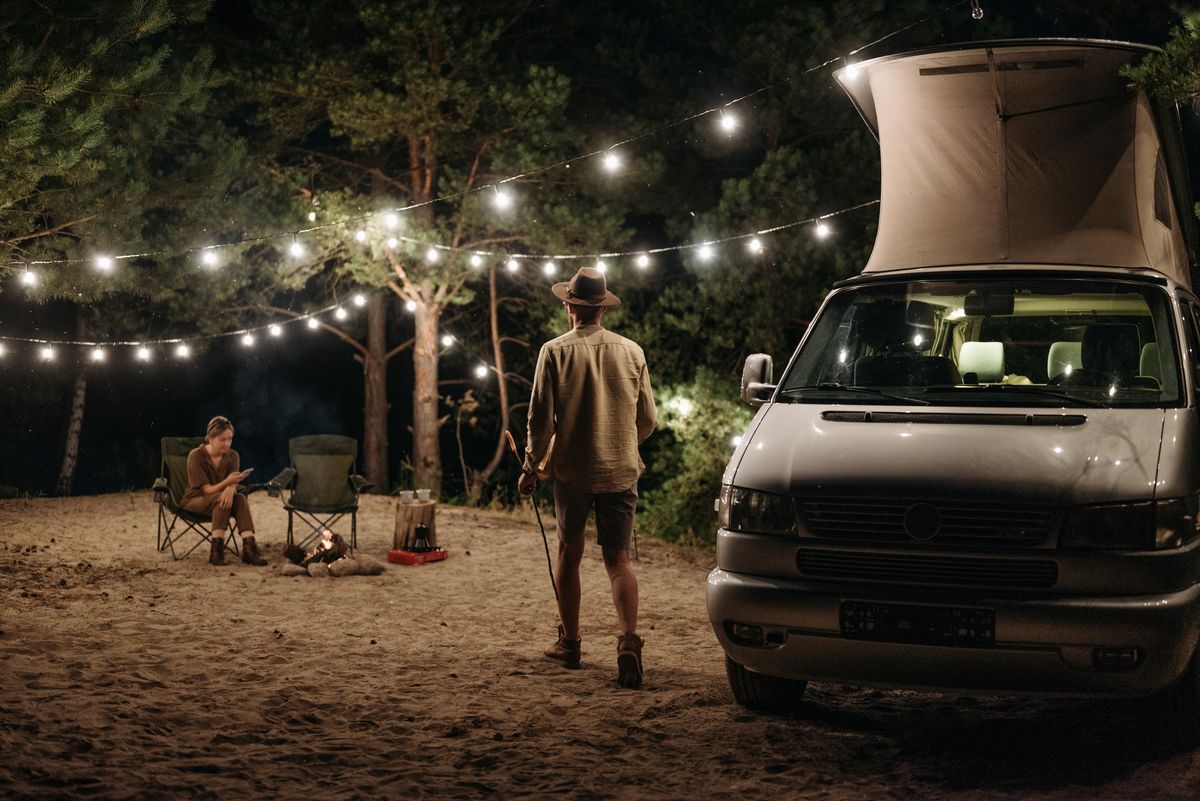
Photo by Pavel Danilyuk on Pexels
- Camping for Beginners | REI Expert Advice
- The Ultimate Camping Checklist for Beginner Campers - UCOgear.com
- Camping 101: Best Camping Gear for Beginners - Four Wheel Campers