
Solar vs. USB Charging Camping Lanterns: Which Power Method Belongs in Your Pack?
Should you rely on solar or USB charging for your camping and emergency lantern? USB wall charging provides rapid, guaranteed energy in 2 to 3 hours before departure, while solar charging offers critical off-grid independence during extended outages. For total security against grid failures and cloudy weather, a dual-power hybrid lantern combining both methods is the most reliable choice.
Scenario-Based Charging Performance Matrix
| Field Scenario / Failure Mode | USB-Only Lantern | Solar-Only Lantern | Dual-Power Hybrid Lantern |
| --- | --- | --- | --- |
| Pre-Trip Immediate Readiness (0–3 Hours) | Reaches 100% capacity in 2–3 hours from any standard AC wall or 12V vehicle outlet. | Fails to charge quickly; requires 12–16 hours of continuous, direct peak sunshine. | Reaches 100% capacity via USB wall charging in 2–3 hours before departure. |
| Multi-Day Blackout (Grid Down > 72 Hours) | Fails completely once internal battery drains; offers no secondary charging option. | Slowly trickles power during sunny daytime hours; struggles during storm conditions. | Primary energy maintained via daily solar top-ups while grid power remains offline. |
| Dense Canopy / Rain & Cloud Cover | Operates normally until pre-charged battery reserve is fully exhausted. | Fails to collect effective light; photovoltaic intake drops by 80–90% under heavy shade. | Runs reliably on pre-charged USB battery reserve; recharges via solar when sun returns. |
| Emergency Cell Phone Power Bank Draw | Drains main light reserve rapidly with no off-grid method to replenish power. | Slow solar replenishment cannot keep pace with active mobile device power draw. | Uses 1600mAh battery for phone top-up, then trickles energy back via solar panel. |
| Accidental Battery Depletion in Backcountry | Fails entirely; becomes dead weight until returning to a grid-connected outlet. | Recovers basic functionality after several hours of direct ambient sun exposure. | Immediate recovery path using solar during daylight or USB when near a vehicle. |
Trade-Off Analysis: Core Advantages & Single-Point Failures
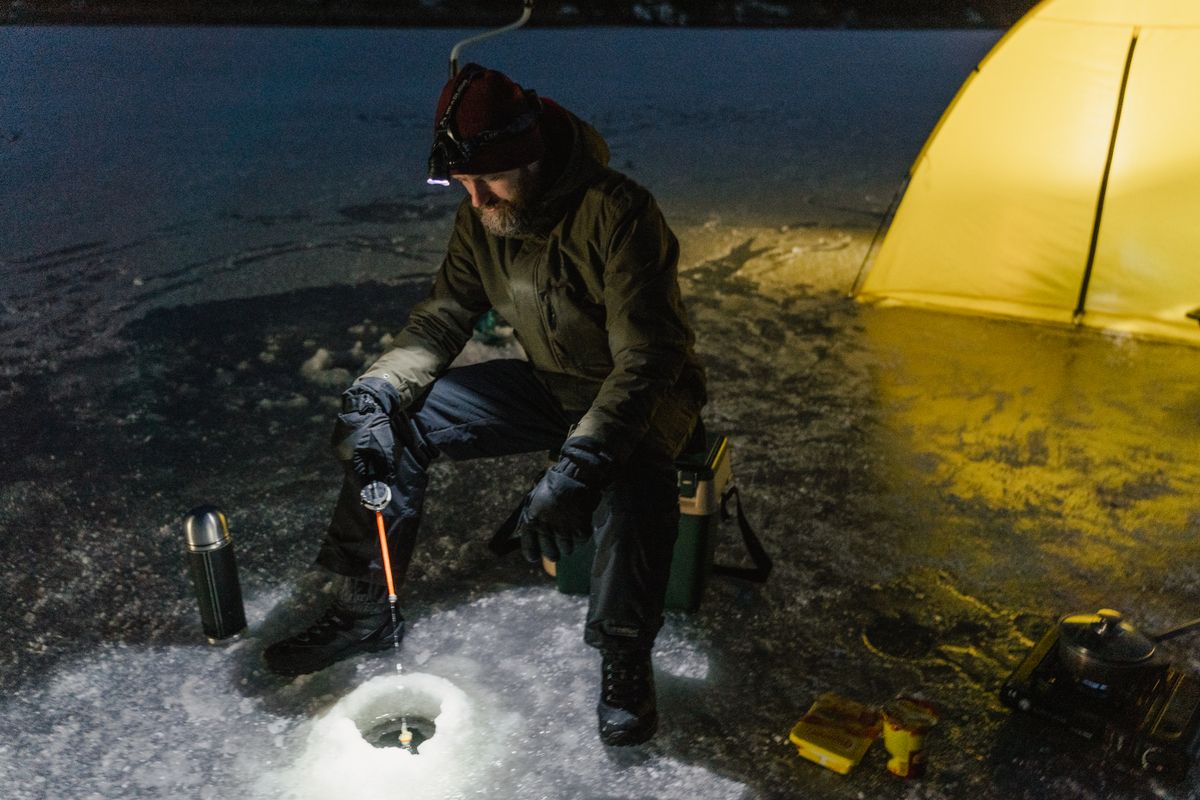
Photo by Tima Miroshnichenko on Pexels
The Vulnerability of Single-Source Lighting
When evaluating outdoor gear and emergency preparation equipment, single-source power systems introduce critical failure points. Understanding how each charging method behaves when conditions deteriorate is vital for making an informed choice.
- USB-Only Systems (Speed vs. Grid Dependency): USB charging delivers rapid, predictable energy (0 to 100% in under 3 hours). However, its ultimate failure mode is total grid dependence. Once the internal lithium-ion battery drains during extended power outages or multi-day backcountry treks, a USB-only lantern becomes completely non-functional.
- Solar-Only Systems (Autonomy vs. Weather Vulnerability): Solar panels provide infinite off-grid energy without relying on electrical infrastructure. However, their single-point failure lies in environmental dependency. Dense forest canopies, heavy rainfall, hurricane cloud cover, or short winter days drastically reduce solar conversion rates, leaving you with insufficient light when you need it most.
- Dual-Power Hybrid Advantage (Redundancy): Hybrid lanterns eliminate single-point failure modes by pairing fast USB pre-charging with continuous solar trickle-charging. If the power grid goes down, solar keeps the light alive; if storm clouds block the sun, pre-charged USB storage carries you through.
Expert Field Tip: Cold Weather & Thermal Battery Management
Lithium-ion batteries experience reduced chemical reaction speed when exposed to temperatures below freezing (32°F / 0°C), temporarily reducing usable capacity and solar charging efficiency. During cold-weather camping trips, keep your collapsible hybrid lantern inside your sleeping bag or jacket pocket to maintain cell warmth before deployment. When solar charging in sub-freezing conditions, position the lantern in direct sun sheltered from wind-chill to maximize charging efficiency.
Recommended Solution: 2-in-1 Dual-Powered Collapsible Lantern Pack
For absolute reliability across both backcountry trails and home emergency kits, the 2-in-1 Dual-Powered Collapsible LED Camping Lantern Pack represents the optimal power configuration. Combining rapid USB pre-charging with a top-mounted monocrystalline solar panel, this lantern ensures you are never left in the dark.
- 360° Lighting Coverage & Flashlight Mode: Equipped with 6+1 high-intensity LED chips, providing full ambient room illumination when pulled open or a focused beam when collapsed.
- Integrated 1600mAh Li-ion Battery: Built-in rechargeable cell features automatic overcharge protection to safeguard battery health during extended solar exposure.
- Emergency USB Output Port: Functions as an emergency power bank to top off Android smartphones and USB devices during blackouts.
- Ultra-Compact Collapsible Design: Collapses down to 3.07" x 3.07" x 5.12" (smaller than most smartphones), weighing under 10 ounces for effortless packing and hanging.
Power Source Decision Tree
- Is your primary use case under 48 hours with guaranteed wall power before departure? → Yes: USB-Only or Hybrid Lantern will work, but Hybrid adds unexpected blackout protection.. No: Proceed to next condition.
- Will you be off-grid for 3+ days or preparing for severe weather hurricane blackouts? → Yes: Dual-Power Hybrid Lantern (Solar + USB) is strictly required to prevent total exhaustion.. No: Standard USB rechargeable lantern with external power bank.
Immediate Action Plan & Buying Steps
Your decision: Choose a dual-power hybrid LED lantern to combine fast USB pre-charging with solar emergency backup.
Do this next: Equip your vehicle trunk, camping gear container, and home storm shelter with dual-charging collapsible lanterns featuring built-in 1600mAh rechargeable batteries and automatic overcharge safety.
- Read next: Best Dual-Powered Solar Camping Lanterns: Emergency & Off-Grid Buying Guide
- Read next: How to Maximize Dual-Power Charging Efficiency for Solar LED Camping Lanterns
Order the 2-in-1 Dual-Powered Collapsible LED Camping Lantern Pack today for guaranteed light and emergency power anywhere.
Key Takeaways for Outdoor Power Management
- USB wall charging provides rapid, reliable replenishment (2–3 hours) prior to outdoor departure or storm landfall.
- Solar charging acts as an essential off-grid trickle system, adding roughly 100mAh per hour of direct peak sunlight to sustain baseline lighting.
- Relying solely on USB creates single-point failures during extended multi-day power outages.
- Relying solely on solar creates severe vulnerabilities during heavy rain, forest canopy cover, or winter storms.
- Dual-power hybrid lanterns featuring a 1600mAh battery and automatic overcharge protection combine fast charge speeds with infinite off-grid autonomy.
Technical Specification Matrix: 1600mAh Hybrid Benchmarks
| Technical Parameter | Specification Detail | Field Operational Benefit |
| --- | --- | --- |
| Dimensions (Fully Unfolded) | 3.62 in L x 3.62 in W x 7.48 in H | Provides maximum 360° light spread across large rooms or campsite tents. |
| Dimensions (Collapsed) | 3.07 in L x 3.07 in W x 5.12 in H | Packs down smaller than an average smartphone for effortless transport. |
| Battery Capacity | 1600mAh Rechargeable Lithium-Ion | Balancing light weight with sufficient storage for 8+ hours of continuous light. |
| LED Configuration | 6+1 High-Intensity LED Chips | Delivers ambient lantern diffusion when opened and directional flashlight beam when closed. |
| Primary Charging Input | Micro-USB / Standard AC (2–3 Hours) | Guarantees fast top-offs before heading out or when connected to generator/vehicle. |
| Secondary Charging Input | Top Monocrystalline Solar Panel | Provides trickle replenishment during daylight hours without power grid access. |
| Emergency Output Port | 5V USB-A Output | Supplies emergency charge transfer to Android phones and essential mobile devices. |
| Circuit Safety | Automatic Power-Off Protection | Prevents overcharging damage when left in direct sunlight for extended periods. |
Off-Grid Battery Maintenance & Storage Schedule
- Pre-Departure / Seasonal Checklist — Connect lantern to USB wall power for 2–3 hours to reach 100% battery capacity. Test collapsible brightness slider and flashlight toggle.
- Monthly During Off-Season Storage — Store lantern in a cool, dry location (50°F–70°F). Avoid leaving in hot glove boxes or uninsulated attics above 100°F.
- Every 90 Days (Deep Storage Cycle) — Discharge battery down to roughly 20% by running the flashlight mode, then recharge via USB to 100% to maintain Li-ion cell health.
- Post-Trip Maintenance — Wipe monocrystalline solar panel with a damp microfiber cloth to remove dust, sap, or fingerprints that impede solar efficiency.
Decision Support Guide: Evaluating Your Off-Grid Needs
Highlight best-for choices, conditions to avoid, and hybrid alternatives.
Top Off-Grid Gear: Collapsible Dual-Charge Solar LED Lantern Pack
Present the main product features (360-degree illumination, flashlight conversion, auto power-off protection).
Real-World Scenarios: 72-Hour Blackouts vs. 5-Day Backcountry Treks
Examine lighting performance in practical situations.
Deep-Dive Breakdown: The Physics of Solar Trickle vs. USB Fast Charging
Explain technical charging behavior of 1600mAh Li-ion power cells.
Related Off-Grid Power Guides
Link to relevant internal topics.
Frequently Asked Questions
Address reader questions at the end of the post.